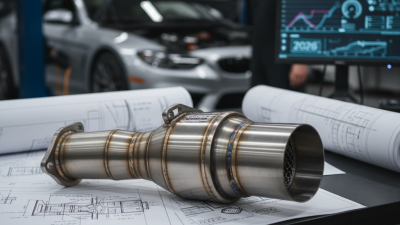
2026 Best Catted Downpipe Options for Performance Upgrades?
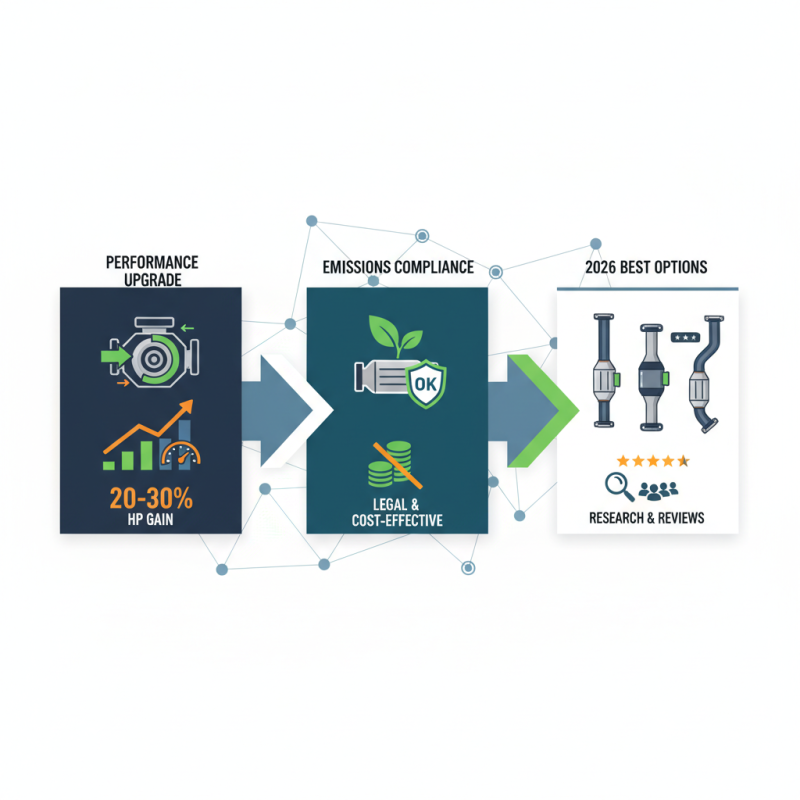
In the world of automotive performance upgrades, Catted Downpipe options are gaining significant traction. These components are essential for turbocharged and supercharged vehicles, providing optimal exhaust flow and enhancing engine efficiency. A recent report by the Automotive Performance Research Institute highlights that properly designed downpipes can increase horsepower by 20% to 30%, translating into noticeable performance gains on the road.
Installing a high-quality Catted Downpipe not only boosts performance but also retains emissions compliance. The balance between power and legal standards is critical. Many enthusiasts may overlook the importance of catalytic converters, assuming performance is the only priority. However, research indicates that violations of emissions regulations can lead to hefty fines and vehicle penalties.
As we explore the 2026 Best Catted Downpipe Options, it’s essential to consider both their performance capabilities and adherence to environmental standards. Choices abound, but selecting the right downpipe requires careful consideration. Not all options provide the same benefits, so evaluating available data and user reviews is key. Investing in a reliable product can mean the difference between a thrilling ride and costly setbacks.
2026 Performance Gains: Understanding Catted Downpipe Benefits
Catted downpipes have gained significant traction in the performance upgrade market. They are designed to improve exhaust flow, which can lead to notable performance gains. Studies show that vehicles equipped with quality catted downpipes can see a boost in horsepower by 10-20%. This increase directly corresponds to better throttle response and faster acceleration.
Additionally, catted downpipes can enhance sound quality. Many enthusiasts appreciate the deeper, more aggressive tone they produce. According to data from exhaust system experts, vehicles with upgraded downpipes experience a smoother power band, improving drivability. However, it’s essential to select downpipes that comply with emission standards to avoid legal issues.
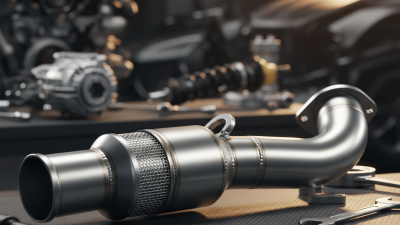
When considering a catted downpipe, think about the material and construction quality. Stainless steel options often provide better durability and heat resistance. Check for proper fitment too. A poorly fitted downpipe can lead to exhaust leaks, negating potential performance benefits. Remember, while upgrades can enhance your vehicle, improper choices can compromise performance. Always prioritize quality over cost.
Key Factors Influencing Downpipe Selection for Turbocharged Vehicles
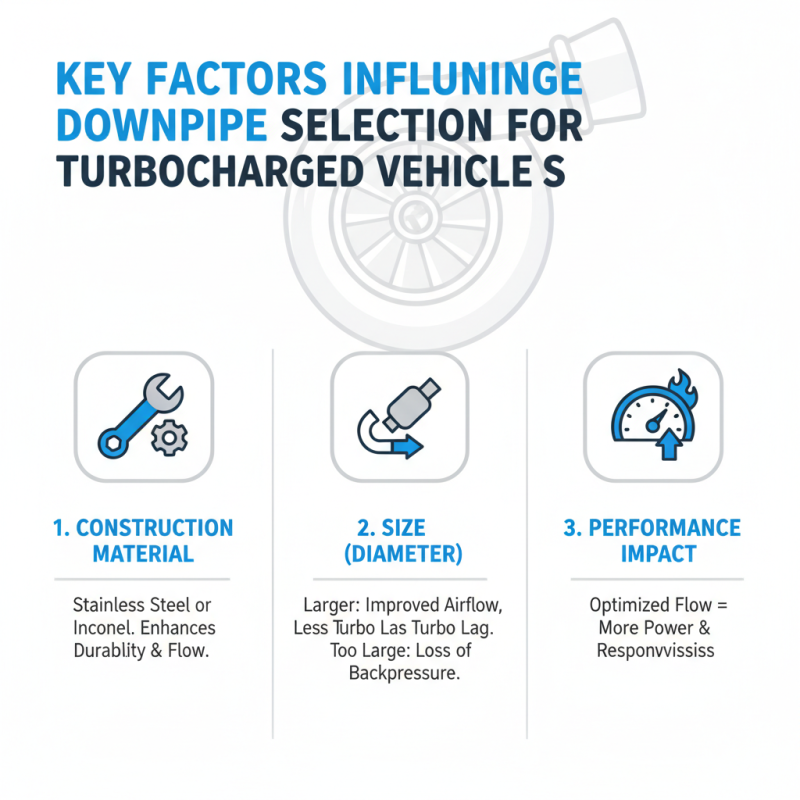
When selecting a downpipe for turbocharged vehicles, several key factors come into play. The construction material significantly impacts performance. A high-quality stainless steel or Inconel downpipe can improve durability and exhaust flow. Consider the size of the downpipe as well. A larger diameter pipe allows for enhanced airflow, reducing turbo lag and increasing power output. However, excessive size can lead to drawbacks, such as loss of backpressure.
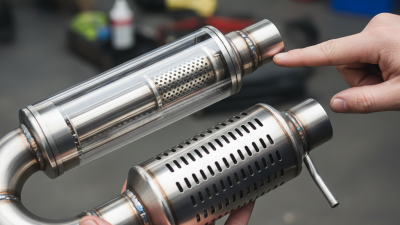
Another important aspect is the design of the downpipe. Straight-through designs typically yield better performance than those with bends or restrictive features. Additionally, compatibility with the vehicle’s existing setup is crucial. A misfit can result in installation challenges and underwhelming performance. Pay attention to the mounting points and the overall design to ensure a seamless integration.
Finally, consider the emissions compliance. Some downpipes may not adhere to local regulations, leading to potential legal issues. It’s essential to find a balance between performance gains and compliance with emission standards. Reflecting on these factors can guide you to make an informed decision. The goal should be not only to enhance power but also to maintain reliability and legality in your vehicle modifications.
Material Types: Comparing Stainless Steel, Aluminized, and Titanium Options
When considering performance upgrades for your vehicle, downpipe material types play a crucial role. Stainless steel is a popular choice due to its durability and resistance to corrosion. It offers great heat dissipation and can withstand harsh conditions. However, it can be heavy, which might impact overall performance.
Aluminized steel is a cost-effective option. It provides decent performance improvements but lacks the longevity of stainless steel. This material is lighter, making it a good choice for daily drivers. Yet, the durability can be questionable in extreme environments. Users report that it may require replacement sooner than expected.
Titanium downpipes, while premium, offer impressive performance gains. They are extremely lightweight and resist heat well. This can lead to faster turbo spool times. However, the high cost can be a barrier. The fragility of titanium can also pose risks in rough driving conditions. Weighing the pros and cons of each material type is essential for making an informed choice. Each offers unique benefits, yet also has limitations that need careful consideration. Make sure to assess your driving style and needs when selecting.
2026 Best Catted Downpipe Options for Performance Upgrades
| Material Type |
Weight (lbs) |
Durability |
Corrosion Resistance |
Cost Estimate ($) |
Performance Gain (%) |
| Stainless Steel |
10 |
High |
Moderate |
250 |
15 |
| Aluminized Steel |
12 |
Medium |
Low |
150 |
10 |
| Titanium |
8 |
Excellent |
High |
500 |
20 |
Industry Trends: Top Brands Leading the Catted Downpipe Market in 2026
As we look towards 2026, the catted downpipe market is evolving rapidly. Performance upgrades are in high demand among automotive enthusiasts. Many brands are innovating to create products that enhance exhaust flow and sound. These improvements can lead to increased horsepower and torque, making vehicles more responsive.
Some industry trends are already emerging. Brands focus on high-quality materials and advanced design techniques. This leads to better durability and performance. Many drivers are prioritizing environmentally friendly options. Manufacturers are responding with catalytic converters that meet strict emissions standards while still boosting performance. It's a balancing act, and this shift reflects consumer awareness.
However, not all catted downpipes are created equal. Some options may sacrifice sound quality for performance gains. Others might alter the vehicle's driving dynamics in unexpected ways. It's essential to conduct thorough research and consult experts. Gathering feedback from fellow enthusiasts can guide choices in this expanding market. Remember, performance upgrades should align with both personal goals and vehicle integrity.
Installation Considerations: DIY vs. Professional Downpipe Upgrades
When considering a downpipe upgrade, one key aspect is installation. DIY installation can be appealing for experienced car enthusiasts. You save money and enjoy hands-on work. However, it's not always straightforward. Accessing the downpipe location can be tricky for some vehicles. You may require special tools, which could increase your budget. Missteps during installation might damage your vehicle.
On the other hand, professional installation offers several benefits. Professionals have the right tools and experience. They can troubleshoot problems quickly, reducing potential risks. Their expertise ensures that the downpipe functions optimally, maximizing performance. It’s also reassuring to have a warranty for both parts and labor, providing peace of mind.
Ultimately, weigh your comfort level against potential costs. Consider if the complexity of the installation matches your skills. The wrong choice could lead to extra costs down the line. Think about the long-term benefits of a quality installation. Finding the right balance between DIY and professional help is essential for achieving the best performance upgrade.
2026 Best Catted Downpipe Options for Performance Upgrades
 +86 17870576410