What is the Best Downpipe Exhaust for Your Car?
When considering vehicle performance, the Downpipe Exhaust stands out as a critical component. Choosing the right downpipe can boost power and improve sound. However, with so many options available, it can be daunting to select the best one for your car.
The ideal downpipe exhaust not only enhances performance but also complements your vehicle's aesthetics. Quality materials matter. Stainless steel options offer durability and resistance to corrosion. Proper fitment and compatibility with your car model are essential for achieving the desired benefits.
Many car enthusiasts find themselves overwhelmed by choices. Some downpipes may promise increased horsepower but fail to deliver in real-world conditions. This raises questions about the effectiveness of certain brands. Research and user feedback are vital when weighing your options. Ultimately, investing in a reliable downpipe exhaust is crucial for enhancing your car's performance and ensuring a satisfying driving experience.
What is a Downpipe Exhaust and Its Role in Vehicle Performance?
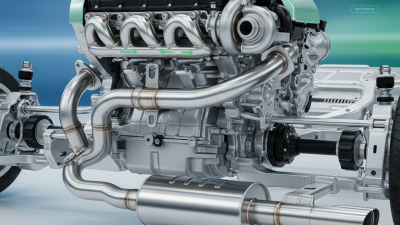
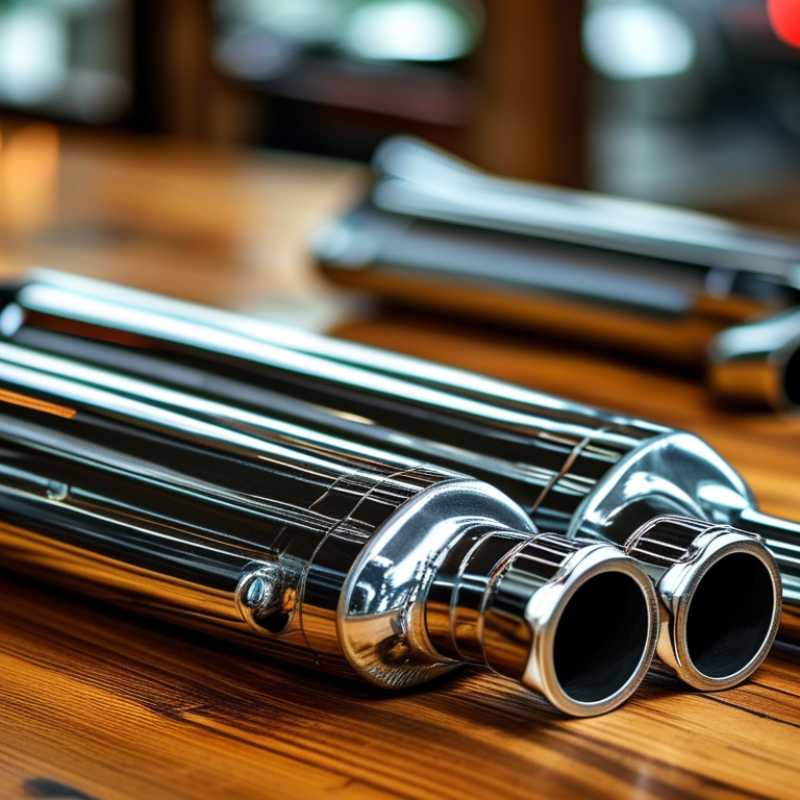
A downpipe exhaust plays a crucial role in boosting vehicle performance. It connects the turbocharger to the exhaust system. By allowing exhaust gases to flow more freely, it reduces back pressure. This leads to better turbo response and improved horsepower. Drivers often notice quicker acceleration with a high-quality downpipe.
When choosing a downpipe, consider material and design. Stainless steel is durable and resistant to corrosion. Some downpipes come with catalytic converters, which help meet emissions regulations. However, removing the catalytic converter can improve performance but may be illegal in some areas. Always research local laws before making modifications.
Tips: Ensure proper installation to avoid leaks. A poorly fitted downpipe can lead to performance issues. Regular maintenance checks can prolong its lifespan. Listen for odd sounds; they could indicate problems. Staying informed about current trends can guide your choices.
Performance Impact of Different Downpipe Exhausts
This chart illustrates the horsepower gain associated with different types of downpipe exhausts. A catless downpipe provides the highest increase in performance, while a stock replacement downpipe offers minimal gains.
Key Benefits of Upgrading to a High-Performance Downpipe Exhaust
Upgrading your car's downpipe exhaust can significantly enhance your vehicle's performance. A high-performance downpipe reduces exhaust back pressure, allowing for improved airflow. This leads to better fuel efficiency and increased horsepower. You'll likely notice a more responsive throttle and an engaging sound when you accelerate.
Installing a quality downpipe exhaust can also enhance engine longevity. With less strain on the turbocharger and engine components, wear and tear may be reduced. This can lead to lower maintenance costs over time. Additionally, a better exhaust system helps in temperature regulation under the hood, providing a cooler operating environment for your engine.
Tips:
Consider the material of the downpipe. Stainless steel offers durability and resistance to corrosion. Always check compatibility with your car's existing exhaust system. Seek professional installation for optimal results. Remember, a performance exhaust won't solve all issues. Regular maintenance is still crucial for overall vehicle health.
Comparative Analysis of Popular Downpipe Exhaust Brands in the Market
When considering the best downpipe exhaust for your car, it's essential to compare various brands available in the market. Different exhaust systems can significantly impact your vehicle's performance and sound. Factors such as material quality, design, and fitment play crucial roles in shaping your choice.
Many popular options feature stainless steel construction, which offers durability. Look for designs that minimize restrictions in airflow. However, some users report fitment issues with specific models. Check online forums for real experiences from fellow car enthusiasts. This can offer valuable insights into common challenges.
**Tips:** Always measure your existing setup before purchasing. Confirm that the downpipe you select matches your vehicle's specifications. Consider local emissions regulations as they can influence your choice.
Sound is another critical factor. Some downpipes produce a deeper, more aggressive tone, while others may be quieter. Listen to sound clips online. Remember, the sound can change significantly after installation. Evaluate your personal preference versus your vehicle’s character.
Industry Data: Performance Gains from Installing Aftermarket Downpipes
When considering the performance gains from installing aftermarket downpipes, industry reports show promising results. Data indicates that vehicles with upgraded downpipes can experience horsepower increases ranging from 10% to 20%. This variability often depends on the car model and the existing exhaust system setup. Enhanced exhaust flow leads to improved engine efficiency, which is crucial for extracting maximum power.
Moreover, a report from a renowned automotive performance group highlights a potential torque improvement of up to 25 lb-ft. Such gains are particularly noticeable at lower RPMs, providing drivers with a more responsive throttle. However, some installations may introduce additional noise levels, which can be a point of contention for many enthusiasts. While some appreciate the aggressive sound, others find it overwhelming.
It's essential to note that performance enhancements can vary widely among different vehicles. Installing a downpipe may require adjustments to the tuning to achieve optimal results. Failing to consider such nuances may lead to underwhelming performance or even engine issues. Therefore, thorough research and expert consultation are vital when making modifications to your vehicle.
What is the Best Downpipe Exhaust for Your Car? - Industry Data: Performance Gains from Installing Aftermarket Downpipes
| Car Model |
Stock Horsepower |
Aftermarket Downpipe |
Performance Gain (HP) |
Torque Gain (lb-ft) |
Weight Reduction (lbs) |
| Mazda MX-5 |
181 |
Yes |
15 |
10 |
3 |
| Honda Civic Type R |
306 |
Yes |
30 |
20 |
5 |
| Ford Mustang GT |
450 |
Yes |
60 |
50 |
7 |
| Subaru WRX |
268 |
Yes |
20 |
15 |
4 |
| Volkswagen Golf GTI |
228 |
Yes |
25 |
18 |
6 |
Factors to Consider When Choosing the Best Downpipe Exhaust for Your Car
Choosing the right downpipe exhaust for your car involves several important factors. First, consider the material of the downpipe. Stainless steel is popular for its durability and resistance to corrosion. However, it can be heavier than alternatives like aluminized steel or titanium. Weight matters, especially for performance vehicles.
Next, think about the design. A high-flow downpipe allows for better exhaust flow, improving horsepower and sound. This means a more aggressive driving experience. However, it might also lead to increased engine noise. Some drivers appreciate the louder tone, while others prefer a subtler sound. Weigh your personal preference carefully.
Additionally, legality and fitment are essential. Custom fitment may be required depending on your vehicle model. Some aftermarket parts may not comply with local exhaust regulations. Research local laws to avoid potential penalties. It’s also wise to read reviews and experiences from other users. Their insights can help you make an informed decision. Always remember that what works for one driver may not suit another.
 +86 17870576410