Best Flexible Muffler Pipe Options for Your Vehicle Needs?
When it comes to maintaining your vehicle, choosing the right exhaust components is crucial. One key element is the Flexible Muffler Pipe. This component can significantly impact your vehicle's performance. Proper installation offers better sound quality and improved efficiency. If not selected wisely, the wrong pipe can lead to noise issues or decreased performance.
Flexible Muffler Pipes vary in quality and design. Some options suit specific car models, while others offer universal fit. Understanding your vehicle’s requirements is essential. Poor choices might lead to extra costs for replacements or repairs. Investing time in research can save you from future headaches.
In navigating the market, you may feel overwhelmed by numerous brands and types. Some products may not deliver on their promises. Reliable reviews and expert recommendations can help guide your decision. Ultimately, a well-chosen Flexible Muffler Pipe can enhance your vehicle’s longevity and performance, making it a worthwhile investment.
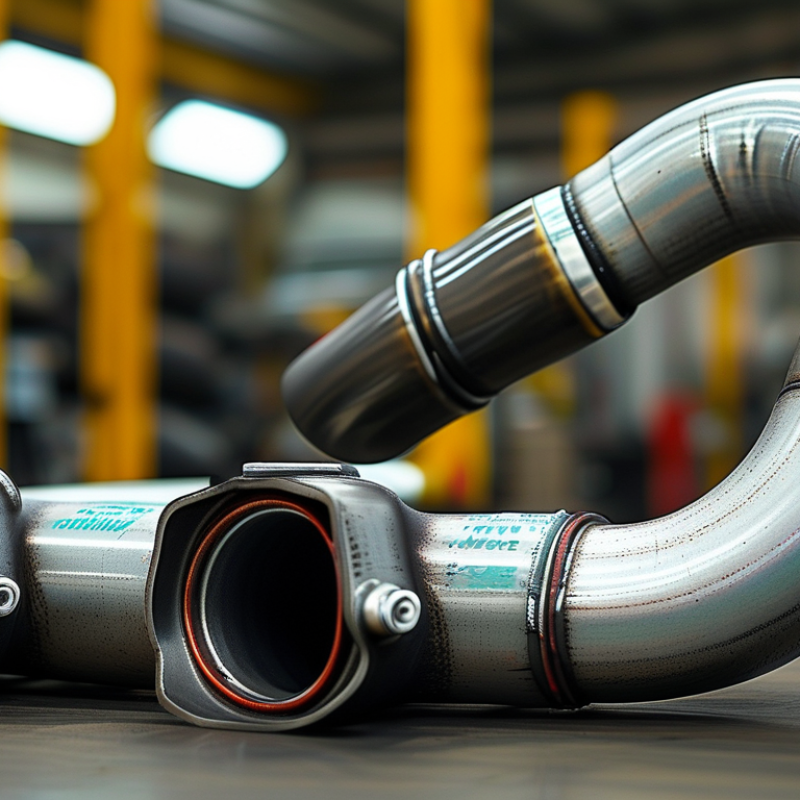
Understanding the Importance of Flexible Muffler Pipes in Vehicles
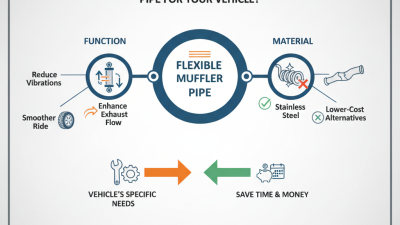
Flexible muffler pipes play a crucial role in vehicle performance. They allow for movement in the exhaust system, accommodating engine vibrations and vehicle movements. This flexibility helps prevent damage to exhaust components. Over time, rigid pipes may crack or break, leading to costly repairs. A flexible muffler pipe can mitigate these risks, enhancing durability and longevity.
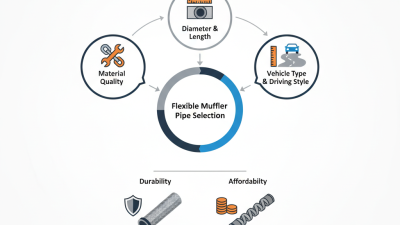
When choosing flexible muffler pipes, consider quality and material. Stainless steel is a dependable choice due to its resistance to corrosion. Ensure the pipe diameter matches your vehicle's exhaust system for optimal performance. Regular inspection can reveal wear or damage before it worsens.
Tip: Always check for leaks. They can indicate a failing muffler pipe. A simple sound test can help detect issues. Listen for hissing or popping noises when the engine is running. These could signal the need for a replacement. Regular maintenance ensures your vehicle runs efficiently and safely.
Types of Flexible Muffler Pipes Available on the Market
When selecting flexible muffler pipes, it's essential to understand the types available in the market. The most common types include stainless steel, aluminized steel, and silicone. Each type has unique benefits and limitations, impacting performance and durability.
Stainless steel muffler pipes are widely recognized for their corrosion resistance. A recent industry analysis revealed that approximately 40% of vehicle owners prefer stainless steel options for their longevity. Aluminized steel pipes are cost-effective yet less durable, making them suitable for short-term needs. Silicone flexible pipes, often used for custom applications, offer excellent flexibility but may lack durability under extreme conditions.
Tips: Always consider your vehicle's exhaust system when choosing a pipe type. A mismatch can lead to performance issues. Ensure the pipe's diameter aligns with your vehicle’s specifications for optimal flow.
It’s important to weigh your options carefully. While stainless steel offers longevity, other types can serve specific purposes well. An analysis indicates that nearly 30% of replacement pipes fail due to improper fittings. Thus, measuring accurately is crucial. Misjudgments can lead to unnecessary expenses down the line.
Best Flexible Muffler Pipe Options for Your Vehicle Needs
Key Considerations for Choosing the Right Muffler Pipe
When selecting the best flexible muffler pipe for your vehicle, several key considerations come into play. Understanding these aspects can greatly enhance performance and durability. Material choice is paramount; stainless steel offers longevity, while aluminized steel is more affordable but may corrode faster. Assessing your vehicle's exhaust design can also guide your decision. Compatibility is essential; a perfect fit ensures optimal performance.
Tip: Always check the diameter of your existing pipe. A mismatched size can lead to exhaust leaks, affecting engine efficiency.
Another consideration is the pipe's flexibility. Flexible pipes can adapt to various positions, allowing for easier installation. However, make sure there’s enough support to prevent sagging. A well-supported pipe minimizes movement, reducing potential wear.
Tip: Think about your driving style. If you are off-roading or driving in rugged conditions, a more robust, flexible pipe may be necessary to withstand impacts.
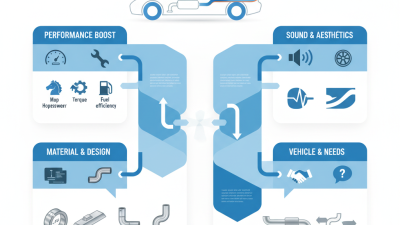
Keep in mind the sound you desire. Some pipes enhance the engine's tone, while others reduce noise levels. Sometimes, it may take experimenting with different options to find the perfect balance. Every vehicle behaves differently. Your choices should reflect both your driving needs and personal preferences.
Best Flexible Muffler Pipe Options for Your Vehicle Needs
| Material |
Diameter (inches) |
Length (inches) |
Flexibility |
Price Range |
| Stainless Steel |
2.5 |
36 |
High |
$80 - $120 |
| Aluminized Steel |
3.0 |
48 |
Medium |
$50 - $90 |
| Mild Steel |
2.0 |
24 |
Low |
$30 - $60 |
| Flexible Rubber |
2.5 |
30 |
Very High |
$40 - $80 |
| Stainless Steel |
3.5 |
60 |
Medium |
$100 - $150 |
Top Brands and Their Best Flexible Muffler Pipe Options
When it comes to flexible muffler pipes, choosing the right brand can make a significant difference. Car enthusiasts often seek pipes that balance durability and performance. Certain brands stand out due to their solid reputation in the automotive industry. They focus on using high-quality materials and innovative designs to enhance exhaust flow.
Brands known for their flexible muffler options often have specific products designed for various vehicle types. These pipes usually come with features like easy installation and corrosion resistance. Some may even offer adjustable fittings, making it easier to customize the exhaust system.
Pay attention to user feedback and expert reviews. Real-world experiences can guide you toward the best choices.
However, it's essential to consider the downsides. Not all brands deliver consistent quality. Some products might not fit as expected, leading to noise issues. It’s wise to research and read more about potential installation challenges. Ensure that any option aligns with your vehicle's specifications and your personal preferences.
Installation Tips and Maintenance for Flexible Muffler Pipes
When it comes to flexible muffler pipes, installation and maintenance play crucial roles in achieving optimal performance. Begin by ensuring you have the right tools. A basic toolkit, including wrenches and clamps, is essential. Ensure your vehicle is raised securely to provide adequate working space. It is easy to overlook safety measures, so remember to wear gloves and protective eyewear during installation.
Tips for installation: Measure twice, cut once. This old adage holds true. Accurate measurements prevent waste and unnecessary adjustments. Use quality clamps to secure connections tightly. A loose connection could lead to exhaust leaks, which can decrease efficiency.
Maintaining flexible muffler pipes involves routine checks for signs of wear and rust. Regularly inspect the exhaust system for any unusual noises. Such sounds may indicate loose or damaged parts. Keep the pipe clean from corrosion by using a suitable rust-resistant coating. This can prolong the life of your flexible muffler. Small steps can lead to significant improvements, ensuring your vehicle operates smoothly.
 +86 17870576410