Best Stainless Steel Exhaust Pipe Options for Optimal Performance?
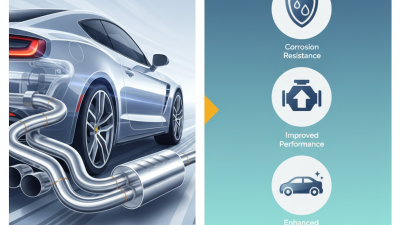
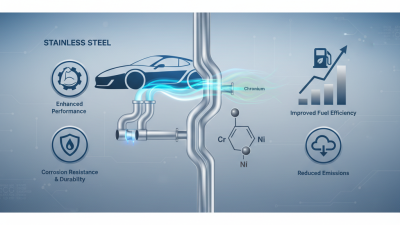
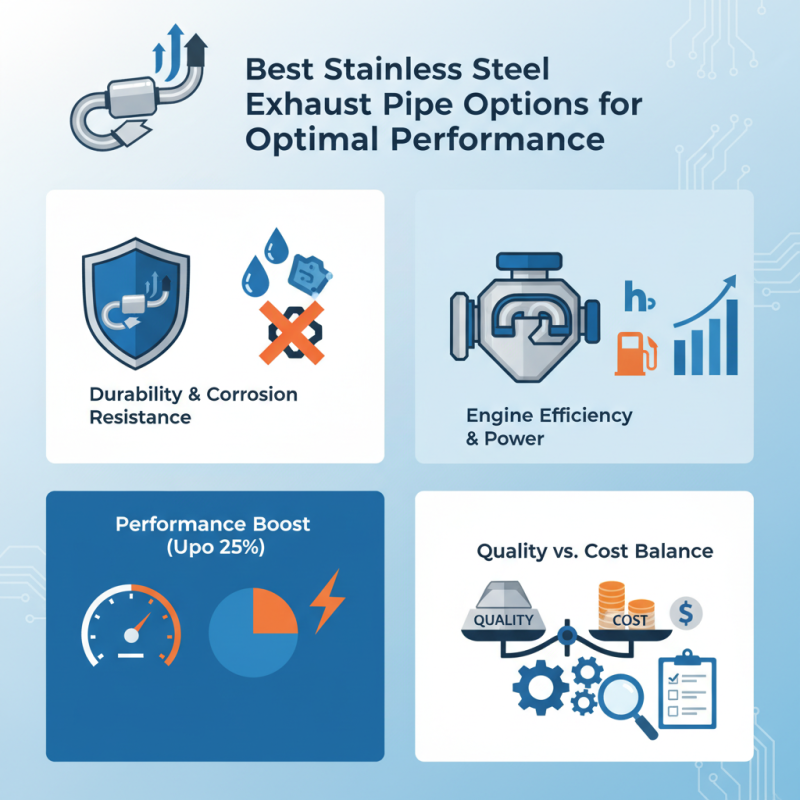
In the search for optimal automotive performance, choosing the right exhaust system is crucial. The Stainless Steel Exhaust Pipe stands out in this domain. According to a recent industry report, stainless steel systems outperform other materials in durability and resistance to corrosion. This translates to a longer lifespan and better overall performance for vehicles.
Professionals agree that a quality stainless steel exhaust pipe enhances engine efficiency. It improves exhaust flow, thus boosting horsepower and fuel economy. A study showed that vehicles equipped with stainless steel systems demonstrated up to 25% better performance under extreme conditions. However, not all stainless exhaust pipes are created equal. There are various grades and finishes available, making the selection process overwhelming for many.
Additionally, cost versus quality remains a significant factor. Some aftermarket options may promise enhancements, yet could lack in longevity and efficiency. It’s essential to evaluate product specifications thoroughly. Striking a balance between price and performance is key. Ultimately, selecting the right Stainless Steel Exhaust Pipe can lead to a noticeable transformation in vehicle responsiveness and handling.
Introduction to Stainless Steel Exhaust Pipes and Their Benefits
Stainless steel exhaust pipes offer a range of benefits that enhance vehicle performance. They resist rust and corrosion, ensuring longevity. This durability is crucial, especially in harsh conditions. With proper maintenance, these pipes can last for years, significantly outlasting their mild steel counterparts. Their polished surface also provides a sleek look that can elevate any vehicle's aesthetic.
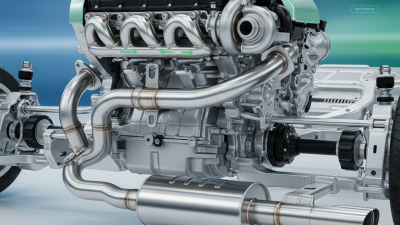
In terms of performance, stainless steel pipes often lead to better exhaust flow. This can result in increased horsepower and improved fuel efficiency. The design of these pipes allows gases to exit the system faster. The result is a more responsive engine. However, it's essential to ensure proper installation. A poorly fit exhaust system can negate these benefits, causing backpressure issues.
Some may find the initial cost of stainless steel pipes a deterrent. Yet, the long-term savings on repairs and replacements often outweigh this concern. Investing wisely in materials can significantly change your driving experience. Ultimately, the choice of an exhaust pipe should consider personal needs and vehicle goals, as well as performance specifics.
Key Factors Affecting Exhaust Pipe Performance in Vehicles
When considering the performance of stainless steel exhaust pipes, several key factors come into play. One significant factor is pipe diameter. Studies show that a larger diameter can reduce exhaust back pressure. However, if the diameter is too large, it may negatively affect the gas velocity. Ideally, the diameter should balance between performance and engine load for optimal results.
Material thickness is another critical element. Thicker pipes tend to withstand higher temperatures, which can prevent warping and improve longevity. Data suggests that a thickness of at least 1.5 mm can enhance durability. However, excessive thickness can add unnecessary weight, which might slow down a vehicle.
Design and layout of the exhaust system also impact performance. A straight-through design often provides less resistance compared to a convoluted system. Research indicates that a well-designed exhaust system can increase horsepower by up to 10%. Yet, not all vehicles benefit equally. Each engine type responds differently to exhaust modifications. Some vehicles maintain optimal performance with standard configurations. In contrast, others may require adjustments for maximum efficiency, indicating a need for tailored approaches.
Best Stainless Steel Exhaust Pipe Options for Optimal Performance
Top Brands and Models of Stainless Steel Exhaust Pipes Available
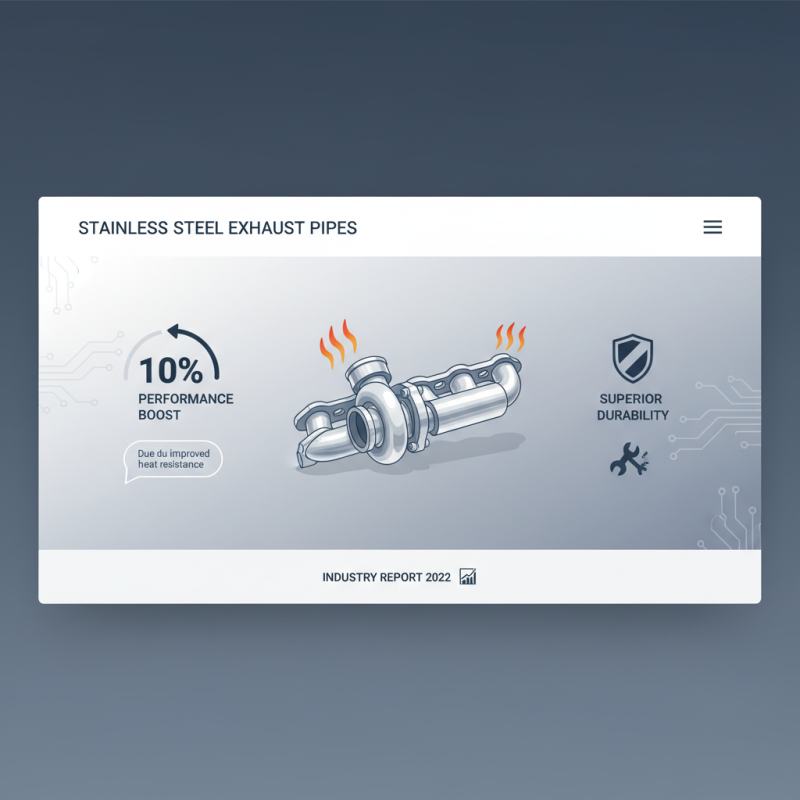
When it comes to stainless steel exhaust pipes, many options promise performance and durability. Quality matters significantly. An industry report from 2022 states that stainless steel components can improve performance by up to 10% due to better heat resistance and durability. This makes them a popular choice among enthusiasts.
Some models stand out. They are designed to minimize back pressure and optimize flow efficiency. Reports show that exhaust systems with a polished finish can further enhance performance metrics. Certain models also feature mandrel bends that maintain pipe diameter throughout, contributing to smoother airflow. Such details are essential for maximizing engine output.
However, not all stainless steel options deliver the expected enhancements. Customers may find inconsistent performance across different brands. Installation quality can also vary, impacting overall efficiency. Some pipes lack sufficient corrosion resistance, which raises concerns about longevity. It's crucial to choose wisely and consider reviews and ratings before making a decision.
Installation Tips for Optimal Performance of Exhaust Systems
When it comes to exhaust systems, installation plays a crucial role in performance. A well-installed stainless steel exhaust pipe can enhance both power and efficiency. Reports indicate that proper alignment and secure connections can lead to a 5-10% increase in engine performance. This is significant for car enthusiasts aiming for optimal results.
Attention to detail is necessary during installation. Use high-quality clamps and ensure they are tightened correctly. Loose connections can lead to leaks and affect back pressure. Monitoring exhaust flow rates can help identify potential issues. Some users neglect this step, leading to inefficiencies. A simple adjustment can save money and improve performance.
Lastly, consider the environment where installation occurs. Elevated temperatures can affect the materials used. Thoroughly inspect all components before installation. Remember, even minor mistakes can lead to greater issues down the road. Prior planning and careful execution are key to achieving the best results with your exhaust system.
Maintaining Stainless Steel Exhaust Pipes for Longevity and Efficiency
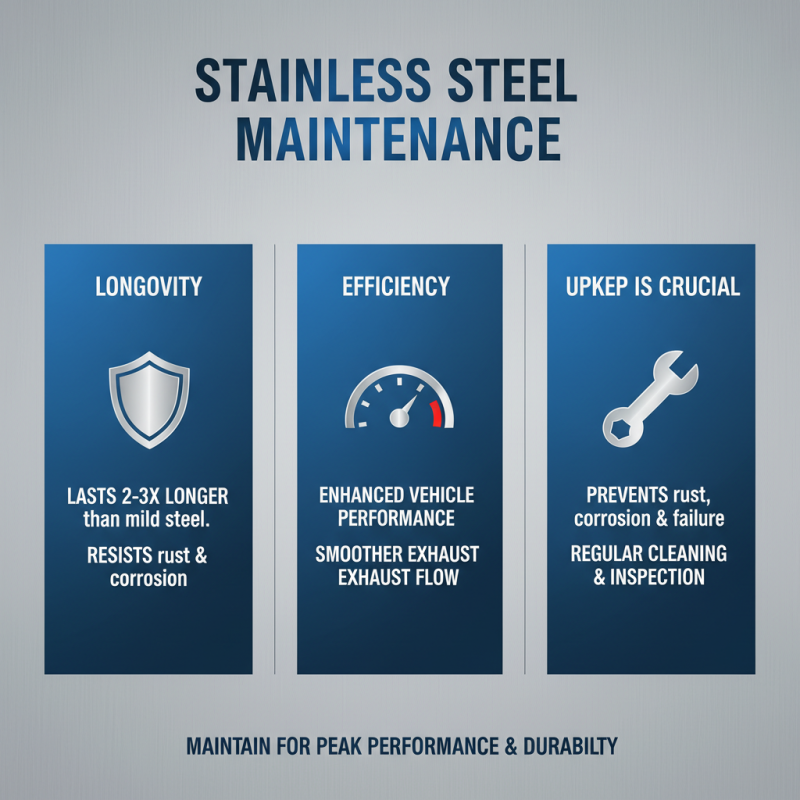
Maintaining stainless steel exhaust pipes is crucial for both longevity and efficiency. Proper upkeep can significantly enhance your vehicle's performance. Recent industry reports suggest that stainless steel exhaust systems can last two to three times longer than their mild steel counterparts. However, neglect can lead to rust, corrosion, and eventual failure.
Regular inspections play a vital role. Look for signs of damage or loose fittings. Cleaning the pipes with a mild detergent can remove grime that accumulates over time. Ensure that all connections are secure. A loose pipe can create exhaust leaks, negatively impacting engine performance.
**Tip:** Consider using high-temperature silicone sealant on joints. This can provide an extra layer of protection against leaks and heat damage.
Another effective method is to use a heat-resistant coating. This can shield the exhaust from harsh environmental factors. Remember, a neglected exhaust system can lead to increased fuel consumption. This not only harms your wallet but also the environment. Keeping an eye on your exhaust will pay off in the long run.
**Tip:** Always avoid harsh chemicals that can damage the stainless steel finish. Simple maintenance will extend the life of your exhaust system.
 +86 17870576410