China Top Titanium Exhaust Highlights and Benefits for Performance Cars
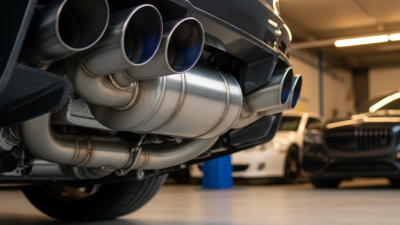
When it comes to enhancing performance cars, the choice of exhaust system is crucial. A titanium exhaust offers distinctive advantages that elevate both performance and aesthetic appeal. These lightweight exhaust systems are engineered for efficiency, allowing vehicles to breathe better and respond more quickly. Titanium's strength-to-weight ratio significantly reduces vehicle weight, improving handling and acceleration.
Moreover, the heat resistance of titanium minimizes heat soak, maintaining optimal engine temperature. Many enthusiasts delight in the distinct sound profile of a titanium exhaust, providing a sporty feel. However, not all titanium exhausts are created equal. Choosing a reputable manufacturer is essential to ensure quality and performance.
A well-crafted titanium exhaust can lead to significant performance gains. Still, buyers should be aware that these systems may come with a premium price tag. Thus, proper research is vital. Understanding these factors helps car enthusiasts make informed choices in the pursuit of performance and reliability with titanium exhaust systems.
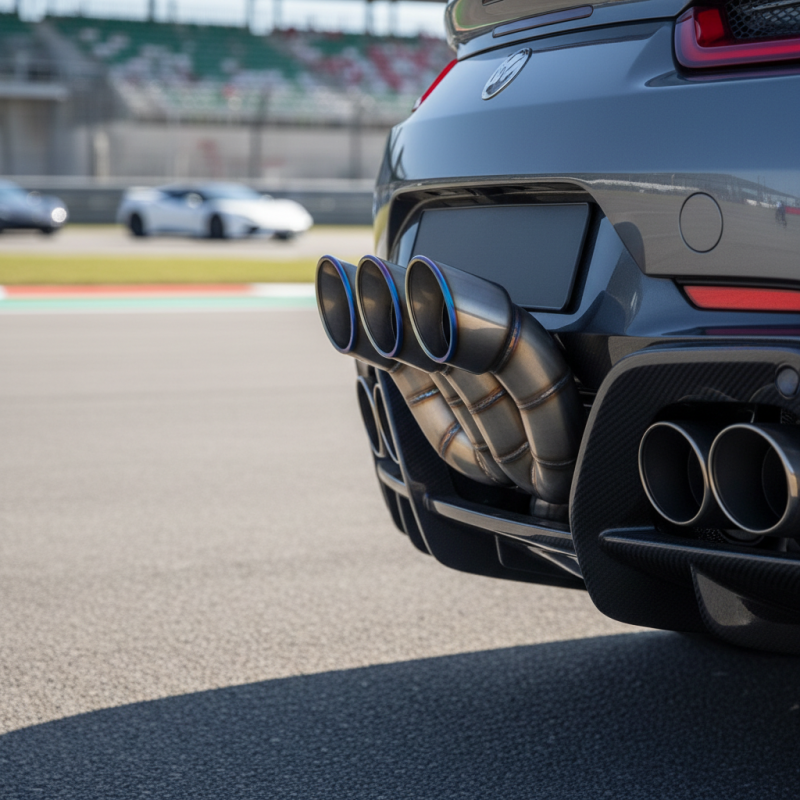
The Rise of Titanium Exhaust Systems in Performance Cars
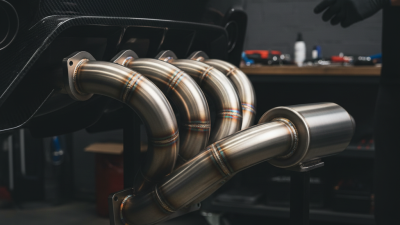
The titanium exhaust system has become a favorite among performance car enthusiasts. This trend is not just about style; it's about tangible benefits. Titanium is lighter than steel, which significantly reduces the vehicle's overall weight. A lighter car accelerates faster and handles better.
The unique sound signature of a titanium exhaust is another reason for its rise. It delivers a distinct tone, enhancing the driving experience. Drivers report a deeper, more aggressive sound that complements the performance of their vehicles. This auditory feedback can often enhance one’s connection to the car.
**Tip:** When considering a titanium exhaust, research the sound profiles. Some systems are louder than others.
Another appealing aspect of titanium is its corrosion resistance. It withstands heat and oxidation better than traditional materials. This durability can lead to long-term savings in maintenance. However, not all titanium exhaust systems are the same. Quality varies, and lower-end options might compromise performance.
**Tip:** Look for user reviews and expert insights before purchasing.
Focusing solely on performance can overlook other factors. The aesthetic appeal matters, too. A well-designed exhaust enhances the car's look, but not all designs suit every vehicle. Balancing performance with style is essential for every enthusiast.
China Top Titanium Exhaust Highlights and Benefits for Performance Cars
| Feature |
Description |
Benefit |
| Weight Reduction |
Titanium is significantly lighter than stainless steel. |
Improves vehicle performance and handling. |
| Durability |
Highly resistant to corrosion and heat. |
Ensures a longer lifespan of the exhaust system. |
| Sound Quality |
Produces a unique deep and aggressive sound. |
Enhances the auditory experience of high-performance driving. |
| Performance Gains |
Optimized for exhaust flow and efficiency. |
Increases horsepower and torque. |
| Aesthetics |
Sleek and modern design. |
Enhances the overall appearance of the vehicle. |
Key Advantages of Titanium Over Traditional Exhaust Materials
Titanium has emerged as a game-changing material in the world of automotive exhaust systems. Its strength-to-weight ratio dramatically surpasses that of traditional materials like stainless steel. A titanium exhaust can weigh up to 40% less than a comparable stainless steel system, enhancing vehicle performance and handling. Lightweight features allow for improved acceleration and braking, crucial for performance cars.
Moreover, titanium boasts superior corrosion resistance. According to industry reports, titanium can last up to three times longer than stainless steel in harsh environments. This longevity not only reduces the need for replacement but also minimizes long-term costs for car enthusiasts. The ability to withstand high temperatures without degrading is another critical advantage. This resilience ensures consistent performance and sound quality throughout the exhaust system's lifespan.
Despite these benefits, titanium exhausts represent a higher initial investment. Price differences can be significant, and not every performance car budget accommodates this premium. Mechanics often express concern over the difficulty of working with titanium. Custom fabrication can be complex, requiring specialized tools and skills. While titanium has clear advantages, these challenges warrant **careful consideration** for potential users.
Performance Benefits: Weight Reduction and Power Gains
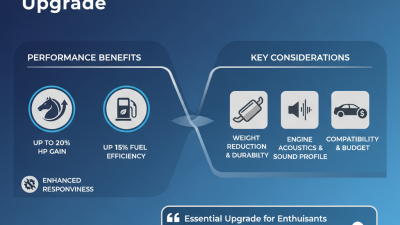
The performance benefits of titanium exhausts for cars are substantial. These exhaust systems offer significant weight reduction compared to steel alternatives. A titanium exhaust can weigh up to 50% less. This reduction in weight translates to better handling and acceleration. Enthusiasts appreciate the improved responsiveness that comes with a lighter vehicle.
Power gains are another notable advantage. Titanium allows for better exhaust flow due to its unique properties. With a more efficient flow, engines operate more effectively. This results in noticeable increases in horsepower and torque. Every driver seeks that extra edge—titanium exhausts can provide just that.
However, the investment is not without its challenges. Titanium is more expensive than traditional materials. The installation process may also require professional expertise. Not everyone can benefit from these high-performance parts. Understanding the balance between performance and cost is crucial. Many owners may face uncertainty when choosing the right system. The benefits are clear, but the decision can remain complicated.
Thermal Efficiency: How Titanium Exhausts Manage Heat Better
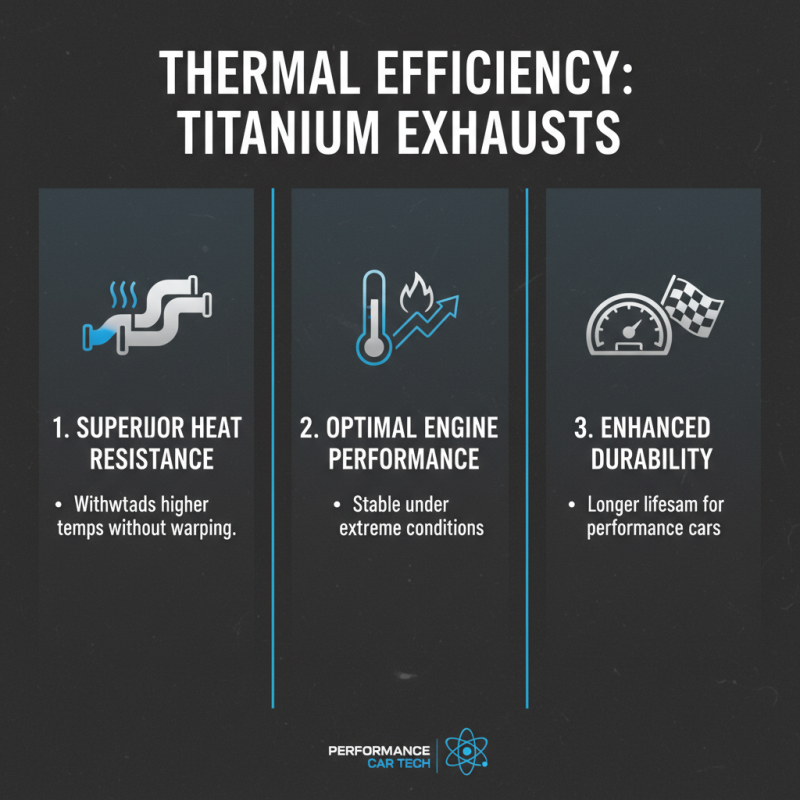
Titanium exhausts are gaining popularity among performance car enthusiasts. Their unique properties enhance thermal efficiency significantly. Unlike traditional materials, titanium can withstand higher temperatures without warping. This ability ensures optimal engine performance, particularly under extreme conditions.
The lightweight nature of titanium reduces the overall weight of the exhaust system. A lighter exhaust contributes to better acceleration. With less mass to move, cars can respond more quickly to driver inputs. However, some enthusiasts may overlook the trade-offs. The cost of titanium can be substantial compared to stainless steel, raising questions about budget and performance gains.
Furthermore, titanium's thermal conductivity allows for faster heat dissipation. This feature helps maintain engine efficiency. However, while these materials excel in certain areas, they may also corrode in specific environments. Drivers should consider their typical driving conditions to make an informed choice. Understanding these factors is crucial for achieving the best performance from their vehicle.
Longevity and Durability: Why Titanium is Worth the Investment
Titanium is becoming a preferred choice for exhaust systems in high-performance cars. Its lightweight nature allows for improved speed and handling. Vehicles equipped with titanium exhausts often experience a weight reduction of around 45% compared to stainless steel. This reduction can enhance acceleration, making your driving experience more thrilling.
The longevity of titanium is another significant advantage. According to industry research, titanium can endure high temperatures and corrosive environments better than traditional materials. Reports indicate that titanium exhaust systems can last up to three times longer than stainless steel equivalents. This durability translates to fewer replacements and repairs, ultimately saving money over time.
However, it is essential to recognize the initial investment cost. Titanium exhausts may be more expensive upfront, which can pose a barrier for some buyers. Still, the long-term benefits often outweigh these initial costs. For performance car enthusiasts, spending on titanium can lead to greater reliability and enhanced vehicle performance. This investment in quality offers peace of mind that cheaper materials simply cannot provide.
Performance Benefits of Titanium Exhaust Systems
 +86 17870576410