Why Choose a Straight Pipe Exhaust System for Your Vehicle?
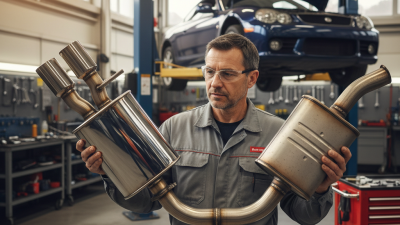
When considering vehicle performance, a Straight Pipe Exhaust System can be a game changer. This type of exhaust system offers unique advantages that cater to both enthusiasts and everyday drivers. Many people choose straight pipe systems for their simplicity and efficiency. They can enhance engine performance by reducing back pressure. The unrestricted flow of exhaust gases allows for improved horsepower and torque.
However, it’s important to consider the trade-offs. Straight pipes can generate a louder, more aggressive sound. This may appeal to some, while others might find it overwhelming. Additionally, not all areas allow for such modifications due to noise regulations. Users should also reflect on their driving environment. In certain conditions, the benefits may not justify the changes.
Investing in a Straight Pipe Exhaust System requires careful thought. With a deep understanding of the potential impacts, drivers can make informed choices. Quality and installation are crucial too, ensuring reliability and performance. Ultimately, this decision should align with personal preferences and regulations.

Advantages of a Straight Pipe Exhaust System for Enhanced Performance
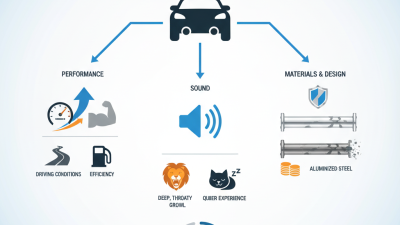
Choosing a straight pipe exhaust system can elevate your vehicle's performance significantly. This type of system minimizes exhaust flow restrictions, allowing gases to exit quickly. As a result, your engine can breathe better. The increased airflow can lead to improved horsepower and torque. Drivers often report a more responsive throttle, making the car feel livelier.
Tip: Consider sound modifications. A straight pipe exhaust can produce a louder exhaust note. While some may enjoy the aggressive sound, others might find it too noisy for daily driving. Evaluate your preferences before making a change.
Straight pipe systems are typically lighter than traditional setups. Reduced weight means better performance and efficiency. However, installation may require adjustments to other components. In some cases, the lack of a muffler can create
drone at certain RPMs. It's essential to weigh the pros and cons carefully.
Tip: Check local regulations. In some areas, straight pipe exhausts may not meet noise or emissions standards. It's wise to research local laws to avoid potential fines. Always prioritize compliance while enhancing your vehicle.
Improved Sound Characteristics of Straight Pipe Exhaust Systems
When it comes to vehicle performance, a
straight pipe exhaust system stands out for its unique sound characteristics.
Many enthusiasts prefer it because it amplifies the engine's natural tone. This unfiltered sound can be deep and
aggressive, providing an exhilarating driving experience. Drivers often appreciate the way a
straight pipe exhaust enhances acceleration sounds. It adds a
growl that’s unmistakable, making the
vehicle feel more powerful.
Choosing a straight pipe system means embracing a raw sound. It may not please everyone, as some prefer a
quieter ride. It's essential to consider your preferences before making changes. An overly loud exhaust can
attract unwanted attention. Local noise regulations can also present challenges.
Weighing these factors is key to making an informed decision.
Tips: Think about sound preference first. If your area has strict noise
limits, be cautious. Test drive vehicles with similar setups to gauge your comfort level. Keep in mind that
everyone has different tastes regarding sound. Be open to the possibility of needing adjustments after installation.
Comparing Straight Pipe Exhaust with Other Exhaust System Types
When considering exhaust systems, straight pipe systems stand out for their unique characteristics. Unlike traditional exhaust setups that often include bends and restrictions, straight pipes offer a direct path for exhaust gases. This design reduces back pressure significantly, allowing for better engine efficiency. The result is often a noticeable increase in horsepower and torque.
In contrast, systems like cat-back or muffler designs aim for noise reduction and emissions filtering. While these systems can create a quieter ride, they may restrict airflow compared to straight pipes. Some drivers appreciate the enhanced sound of a straight pipe, which can be more aggressive. However, the louder noise may not appeal to everyone.
Another factor to consider is maintenance. Straight pipes can be easier to clean and inspect due to their simple design. Yet, they can expose vehicles to higher levels of noise, which some might find uncomfortable during long drives. Each option has pros and cons that should be weighed carefully. Ultimately, the choice depends on personal preference and driving needs.
Installation Considerations for Straight Pipe Exhaust Systems
When considering a straight pipe exhaust system, installation plays a vital role. These systems lack mufflers, offering a louder and sportier sound. This can be thrilling for some, but it may not be ideal for everyone. You must assess local noise regulations before installation. Compliance is crucial to avoid potential fines or issues.
Choosing the right materials is also essential. Stainless steel is durable and resists rust, but it can be costly. Mild steel is less expensive but may not last long. Consider factors like climate and driving conditions. Proper installation is non-negotiable. Incorrect fitting can cause leaks and performance issues. A professional mechanic can ensure everything is aligned correctly.
Don’t overlook the importance of planning for future modifications as well. You may want to upgrade other parts of your exhaust system later. Keeping this in mind can save time and money. Some installers may rush, leading to mistakes. Take your time to find a skilled technician. Quality installation matters significantly for performance.
Comparison of Exhaust System Types
This chart compares the estimated performance gains from various types of exhaust systems, highlighting that a straight pipe system commonly offers the highest performance boost.
Maintenance and Longevity of Straight Pipe Exhaust Systems
Straight pipe exhaust systems are popular for their simplicity and efficiency. When it comes to maintenance, these systems require less effort than traditional setups. With fewer components, there are fewer parts that can fail. This leads to a longer lifespan overall.
However, a straight pipe does not mean zero upkeep. Regular inspections are vital. Corrosion can develop over time, especially in humid environments. Checking the joints and welds can prevent costly repairs.
Tips for maintaining your straight pipe exhaust:
- Inspect for rust or damage regularly.
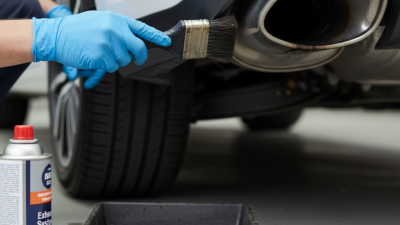
- Use high-temperature paint to protect against heat.
- Ensure proper coupling to reduce vibrations.
Longevity depends on how you care for it. Using quality materials can make a difference, but nothing beats regular maintenance. It's essential to stay proactive rather than reactive. If you notice
unusual noises, address the issue promptly to avoid further damage.
 +86 17870576410