Why Choose Stainless Steel Exhaust Systems for Your Vehicle?
When choosing an exhaust system for your vehicle, the choice of material is crucial. An expert in the Stainless Steel Exhaust industry, John Smith, once stated, "Stainless steel provides durability and performance that other materials simply can’t match." This underscores the value of selecting a stainless steel exhaust system.
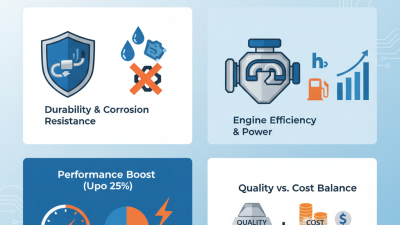
Many vehicle owners face the dilemma of whether to choose stainless steel or other options. Stainless steel exhausts are well-known for their resistance to corrosion. Unlike mild steel, they maintain their integrity even in harsh environments. This durability means fewer replacements and repairs over time.
However, some may perceive stainless steel exhaust systems as a higher upfront investment. It's essential to weigh the long-term benefits against the initial costs. While they may be pricier, the longevity and reliability often justify the expense. Investing in a stainless steel exhaust can enhance vehicle performance and provide peace of mind for years to come.
Benefits of Stainless Steel Exhaust Systems for Performance Vehicles
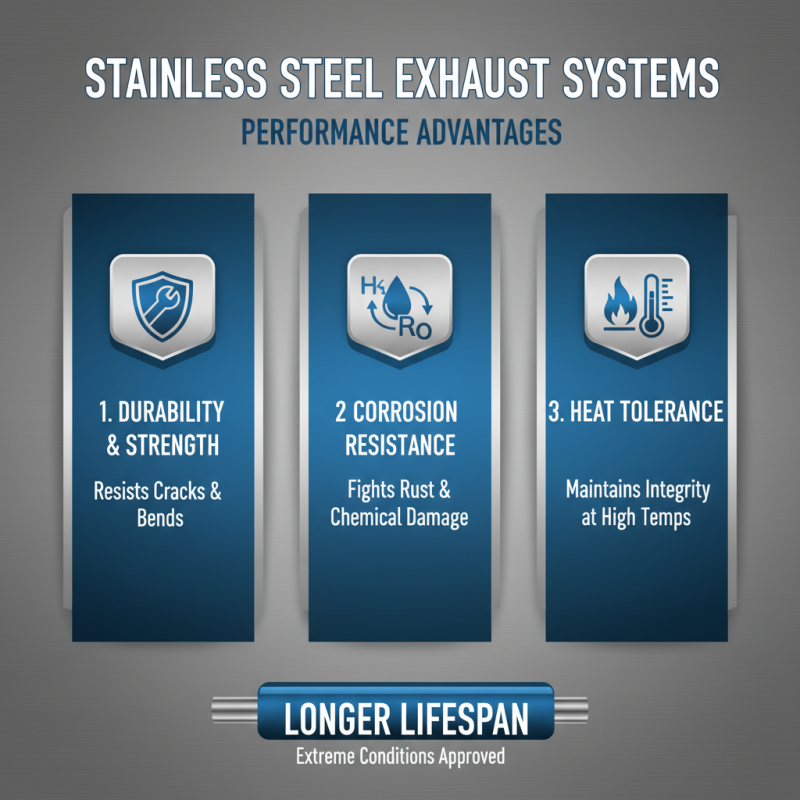
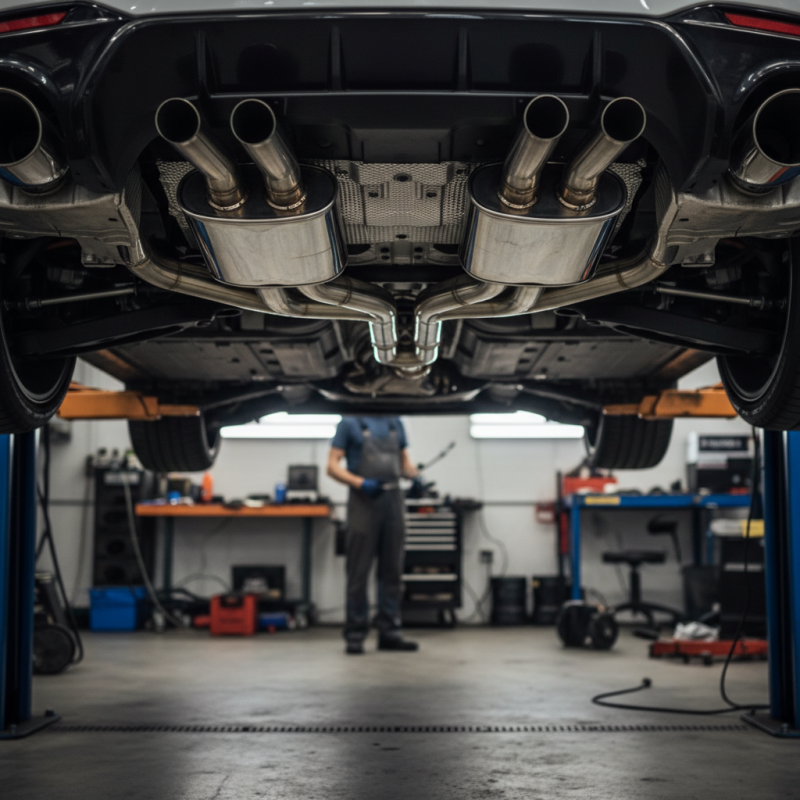
Stainless steel exhaust systems present numerous advantages for performance vehicles. They are known for their durability and resistance to corrosion. This means they last longer, even under extreme conditions. A well-made stainless steel system can withstand high temperatures without losing structural integrity.
Many car enthusiasts appreciate the aesthetic appeal of stainless steel. Its shiny surface can enhance the overall look of a vehicle. However, not all stainless steel is created equal. Some people find that after a period, the shine diminishes. Regular maintenance is crucial to maintain that new look over time.
Performance-wise, stainless steel exhaust systems improve airflow. Increased exhaust flow can lead to enhanced engine efficiency. This often results in a minor power boost. Some drivers may feel that the sound quality also improves. Still, there are cases where the exhaust can be louder than expected. Personalized adjustments might be necessary to achieve the desired sound level.
Durability and Longevity of Stainless Steel Compared to Other Materials
Stainless steel exhaust systems offer remarkable durability and longevity. Unlike traditional materials, stainless steel can withstand extreme temperatures and corrosive environments. Research indicates that stainless steel can last up to 2-3 times longer than mild steel exhausts. In the automotive industry, the lifespan of stainless steel is often cited as 10 to 15 years, depending on conditions.
One reason for this durability is the materials' resistance to rust and oxidation. For instance, stainless steel contains chromium, enhancing its resistance to corrosion. A report from the Automotive Engineering Institute highlights that vehicles with stainless steel systems experience fewer performance issues over time. This translates into fewer repairs and maintenance costs.
However, not all stainless steel is created equal. Some consumers may find themselves confused by varying grades of stainless steel. While 304 stainless steel is common for exhausts, high-performance vehicles often benefit from 321 stainless steel, known for better heat resistance. A deep understanding of these grades is essential. Ultimately, investing in a stainless steel exhaust can lead to long-term savings, even if the initial costs may be higher.
Corrosion Resistance: Why Stainless Steel Stands Out
Stainless steel exhaust systems are increasingly popular. One key reason is their exceptional corrosion resistance. Unlike other materials, stainless steel can withstand harsh environmental conditions. It does not rust easily, even with moisture exposure. This quality helps maintain the exhaust system's integrity over time.
Moreover, stainless steel's resistance to corrosion ensures longevity. Imagine driving in rainy or snowy weather. Non-stainless materials may deteriorate quickly. This could lead to expensive repairs or replacements. With stainless steel, vehicle owners often find fewer issues. It's essential to consider the long-term benefits and costs. However, not all stainless steel is the same. Some types may tarnish or corrode under specific conditions. It’s worth reflecting on your choices carefully.
Choosing stainless steel also impacts performance. A well-maintained exhaust system contributes to better engine efficiency. Mufflers crafted from stainless steel can improve sound quality. But, there may be times when it doesn’t sound perfect. This can lead to distinctive sounds that not everyone finds appealing. Still, overall, the benefits often outweigh these concerns.
Aesthetic Appeal: The Look of Stainless Steel Exhaust Systems
Stainless steel exhaust systems are increasingly popular for their sleek aesthetic appeal. The shiny surface of stainless steel offers a modern touch that many car enthusiasts find irresistible. A report from the Specialty Equipment Market Association (SEMA) highlighted that 72% of vehicle owners consider the appearance of exhaust systems crucial when upgrading their vehicles. An appealing exhaust not only enhances the vehicle's look but also reflects the driver's personality.
While beauty is a significant factor, there are imperfections worth noting. The high-gloss finish can smudge easily, necessitating regular maintenance. Some might find the reflective nature distracting. Additionally, if the installation is not precise, it can mar the overall aesthetic. Not everyone understands that the visual appeal shouldn’t come at the cost of practicality. The balance between looks and functionality is crucial. In essence, the aesthetic benefits of stainless steel exhaust systems enhance vehicle appeal, yet they require careful consideration and upkeep.
Installation and Maintenance Considerations for Stainless Steel Exhausts
When considering stainless steel exhaust systems, installation and maintenance are crucial. Proper installation ensures that the exhaust fits well and functions efficiently. It requires careful attention to alignment and securing all components. It's advisable to use high-quality hardware to prevent rust and rot over time.
Here are some tips for installation:
- Always read the manual.
- Utilize a torque wrench for proper fastening.
- Check clearances before finalizing the installation.
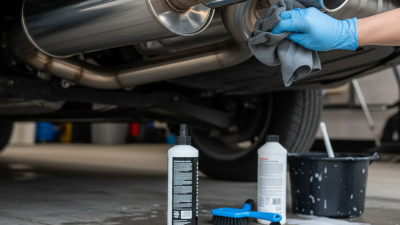
After installation, maintenance is equally important. Stainless steel is durable, but it's not immune to wear. Regularly inspect joints and clamps for leaks. Cleaning the exhaust system can help prevent buildup.
Consider these maintenance tips:
- Use a soft cloth to wipe down surfaces.
- Avoid abrasive cleaners that can scratch.
- Do a visual inspection every few months.
Reflect on your routine. Regular checks can save you from costly repairs down the road. Make it a habit to examine your exhaust system, focusing on both functionality and appearance.
Benefits of Stainless Steel Exhaust Systems
Stainless steel exhaust systems provide numerous benefits for vehicle owners. The chart above shows the ratings of five significant advantages: corrosion resistance, durability, performance improvement, aesthetic appeal, and resale value. Each benefit is rated out of 10, indicating the strengths of choosing stainless steel exhausts for your vehicle.
 +86 17870576410