How to Choose the Best Straight Pipe Exhaust for Your Car?
Choosing the right straight pipe exhaust for your car can be a nuanced decision. Many enthusiasts seek improved performance and a distinct sound. However, the choices available can be overwhelming. A straight pipe exhaust system can enhance horsepower and torque, making your vehicle more responsive.
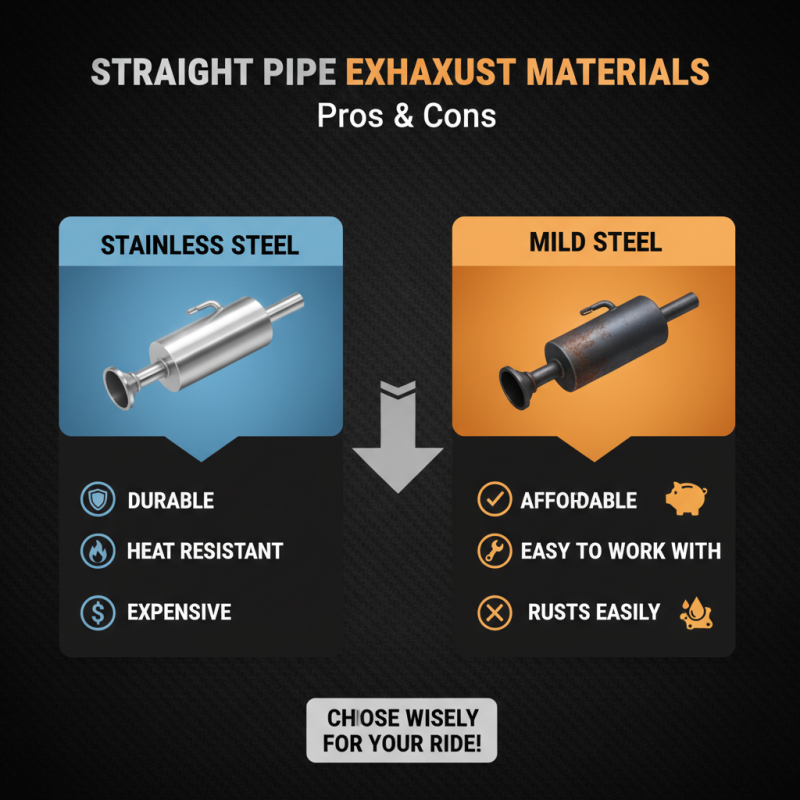
Consider the materials used in the exhaust. Stainless steel is durable but can be pricier. Mild steel is more affordable but may rust over time. The design of the exhaust is also important. A well-angled design can affect sound levels and back pressure. Balancing these factors can be tricky.
Moreover, compatibility with your car model is crucial. Not all straight pipe exhausts fit every vehicle. Researching specific options for your car can prevent future headaches. Take time to read reviews and seek advice. Remember, a straight pipe exhaust isn't just about looks; it's about performance and personal preference.
Understanding Straight Pipe Exhaust Systems and Their Benefits
Straight pipe exhaust systems can significantly enhance vehicle performance. They allow exhaust gases to exit more freely, reducing back pressure. Research shows that these systems can increase horsepower by 10% to 20%. This efficiency gain makes straight pipes popular among car enthusiasts and tuners.
Noise is a critical factor to consider when selecting a straight pipe exhaust. While it can produce a deep, aggressive sound, excessive noise can be a drawback. Studies indicate that some drivers prefer a moderate noise level. Striking a balance is essential. Personal tolerance for sound varies widely among individuals, making it a subjective aspect of exhaust systems.
Installation complexity is another concern for many. A straight pipe might require adjustments to existing components. Proper alignment and fitment are crucial to avoid potential leaks. The longevity of the materials used can also vary. Not all installations lead to durable solutions. Some drivers find themselves having to reconsider their choices after a few months of use. Understanding these factors is vital when choosing the right straight pipe exhaust.
How to Choose the Best Straight Pipe Exhaust for Your Car?
| Aspect |
Description |
Benefits |
| Material Type |
Common materials include stainless steel, aluminized steel, and mild steel. |
Durability, resistance to corrosion, and overall performance. |
| Pipe Diameter |
Available in various sizes, affecting exhaust flow. |
Increases horsepower and torque depending on engine specifications. |
| Installation Type |
Welded or bolt-on systems. |
Ease of installation and potential for modifications. |
| Sound Level |
Varies with design; some focus on deep growls, others on loudness. |
Customization of vehicle sound to preferences. |
| Legal Regulations |
Check local noise and emissions laws. |
Ensures compliance to avoid fines or vehicle impoundment. |
| Performance Impact |
Enhances exhaust flow for improved engine performance. |
Potential increase in horsepower and fuel efficiency. |
Factors to Consider When Choosing a Straight Pipe Exhaust
Choosing the right straight pipe exhaust for your car involves several critical factors that can impact performance and sound. Start by considering the material of the exhaust system. Stainless steel is popular for its durability. However, some may opt for aluminized steel due to its lower cost. Each option has its own pros and cons. It’s important to weigh how long you plan to keep your vehicle.
Next, think about the diameter of the pipe. A larger diameter can enhance exhaust flow, leading to better performance. But a too-large diameter can result in a loss of back pressure. This could hurt low-end torque. Finding the right balance is key. Remember to also consider sound quality. Some drivers prefer a loud growl, while others might want a more subdued tone.
Fitment is another area that requires attention. An ill-fitted exhaust can lead to leaks and performance issues. Measurement is crucial to avoid regrets later. Lastly, it's essential to reflect on your personal preferences and driving style. What works for one person might not work for another. Take the time to research and ensure the exhaust aligns with your expectations.
Material Types for Straight Pipe Exhaust: Pros and Cons
Choosing the right material for your straight pipe exhaust can be tricky. Various options are available, each with its pros and cons. Stainless steel, for example, is popular due to its durability. It resists rust and can handle high temperatures. However, it is often more expensive than other materials. Some may struggle to justify the higher cost, especially for older vehicles.
Aluminized steel is another option. It offers good resistance to corrosion but has a shorter lifespan. Owners may find themselves replacing it sooner than expected. If you live in areas with harsh weather, this could be a concern. Budget-conscious buyers might appreciate its lower price. Yet, long-term costs might offset initial savings.
Then there’s mild steel. It's the least expensive option but can rust quickly. A vehicle owner might need to consider frequent replacements. Despite this, some enjoy the raw sound that mild steel provides. Each choice comes with trade-offs. Understand your needs before deciding. Reflect on how often you drive and the conditions you face. This will guide you in making the best choice for your straight pipe exhaust.
Understanding Exhaust Sound Levels and Their Impact on Choice
Choosing the best straight pipe exhaust can be tricky. One key aspect to consider is the exhaust sound level. Different setups create various sound profiles. Some prefer a loud roar, while others want a subtle growl. Understanding your desired sound is crucial.
Consider your neighborhood's noise regulations. A loud exhaust can attract unwanted attention. Plus, it may not always be suitable for everyday driving. Think about how the sound will impact your daily life. Will you enjoy the noise during long drives? Or will it become tiresome?
You should also reflect on your car's purpose. Are you using it for racing or daily commuting? Racing enthusiasts might appreciate a more aggressive sound. Daily drivers might prioritize a balance between performance and comfort. Test different sound levels if possible. This hands-on experience offers valuable insights into your choice.
Installation Considerations for Straight Pipe Exhaust Systems
When considering installation for a straight pipe exhaust system, specific factors are crucial. Proper measurements are essential to ensure a precise fit. A straight pipe might seem simple, but exhaust systems vary greatly across models. Inaccurate dimensions can lead to poor performance and unwanted sounds.
Noise levels are a significant consideration. A straight pipe tends to amplify engine sounds, enhancing the performance theme of a vehicle. According to the Specialty Equipment Market Association (SEMA), many enthusiasts enjoy this aspect. However, excessively loud exhaust can cause discomfort. Striking a balance is key to enjoying that powerful sound without the irritation.
Additionally, one must consider local regulations. In some areas, strict noise and emission laws govern exhaust modifications. Ignoring these can lead to fines and complications. Understanding local laws is as important as the installation itself. Each vehicle owner's experience will vary. What works for one may not suit another. It’s essential to have realistic expectations about performance and sound post-installation.
Comparative Analysis of Exhaust Pipe Material Types
 +86 17870576410