How to Choose the Right Titanium Exhaust for Your Vehicle?
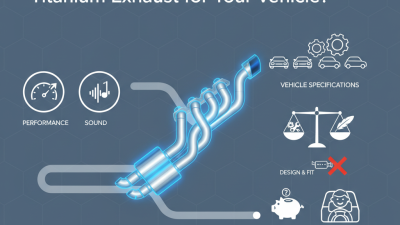
Choosing the right Titanium Exhaust for your vehicle is crucial for performance and sound. According to automotive expert David Reynolds, “The right titanium exhaust can transform both the efficiency and character of your car.” This statement highlights the importance of understanding both personal needs and vehicle specifications when selecting a titanium exhaust.
In the world of automotive upgrades, titanium exhaust systems stand out. They are known for their lightweight nature and resistance to corrosion. However, not all titanium exhausts are created equal. Each vehicle requires a tailored approach to maximize benefits. Many enthusiasts often overlook specific compatibility details, leading to underwhelming performance. Understanding your vehicle's unique requirements is essential.
When making a choice, consider the sound, weight, and power gains. High-quality titanium exhausts offer long-lasting durability that enhances your driving experience. It’s easy to focus solely on aesthetics, yet performance must remain a priority. Proper research and consultation with experts can make a significant difference in your decision. Selecting the right titanium exhaust should not be rushed; careful consideration and informed choices will yield the best results.
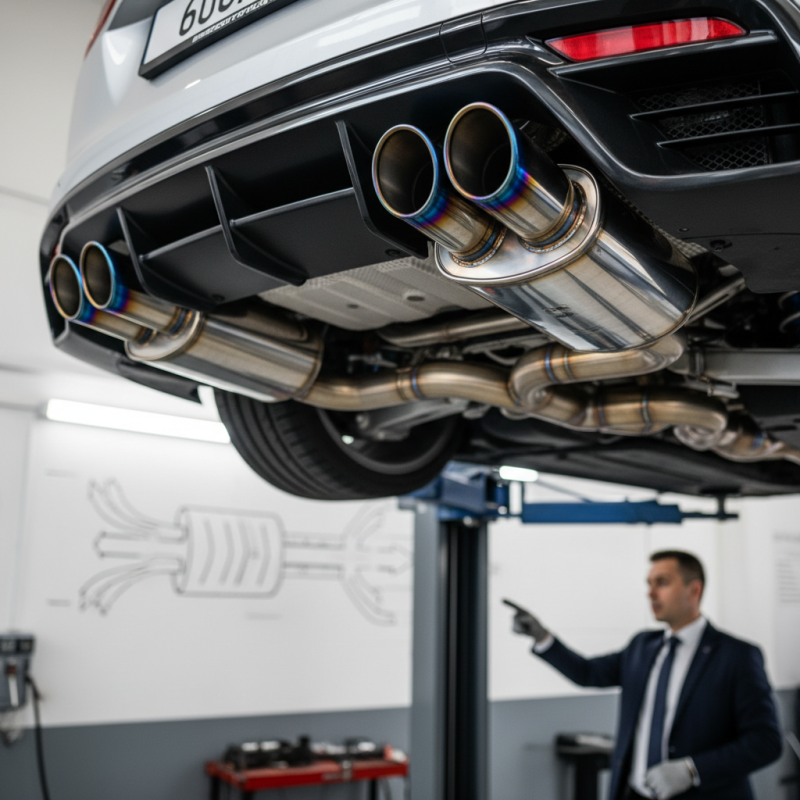
Understanding Titanium Exhaust Systems: Benefits and Features
Titanium exhaust systems are becoming increasingly popular among vehicle enthusiasts. Their lightweight nature is one of the key advantages. This material helps in improving overall performance. A lighter exhaust can lead to better acceleration and handling. Additionally, titanium can withstand high temperatures without deforming. This makes it a reliable choice for high-performance vehicles.
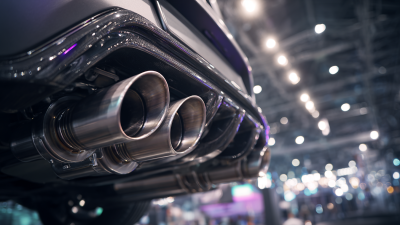
The sound produced by titanium exhaust systems is another appealing feature. They often create a deeper, more aggressive tone that many drivers find attractive. However, this sound may not suit everyone. Some might consider it too loud or harsh. It's essential to consider personal preferences when selecting an exhaust system.
Durability is another aspect worth noting. Titanium is resistant to corrosion, which enhances its lifespan. However, it can be more brittle than other materials, such as stainless steel. This brittleness can lead to cracking under certain circumstances. It's crucial to assess your driving habits and environment. Choose an exhaust system that aligns with your vehicle's usage.
Key Factors in Selecting the Right Titanium Exhaust for Your Vehicle
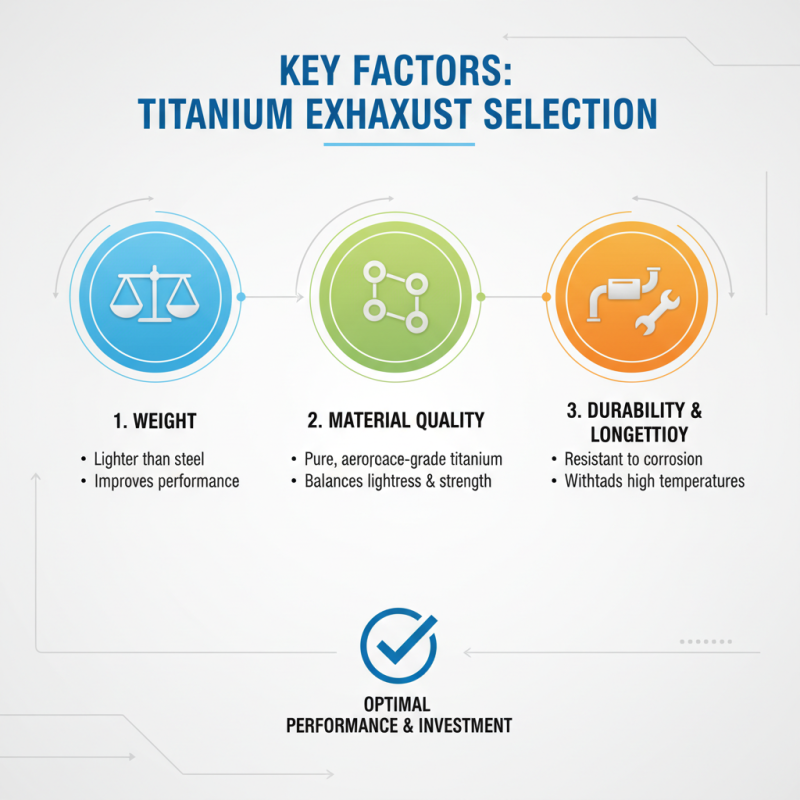
Choosing the right titanium exhaust for your vehicle involves several important factors. Weight is a major consideration. Titanium is lighter than steel, which can improve performance. However, not all titanium exhausts are created equal. Look for high-quality materials that balance weight and durability.
Sound is another key factor. Titanium exhausts often produce a distinct tone that can enhance your driving experience. Listen to sound clips online or use forums to gather opinions. Installation complexity should be considered too. Some systems require extensive modifications. Research the installation process and know your comfort level.
Lastly, consider your driving style. If you have a performance-focused vehicle, a titanium exhaust can maximize your horsepower. However, if you’re more interested in daily driving, a less aggressive option may be best. Reflect on how you use your vehicle and choose accordingly.
Evaluating Solid Performance: Weight Reduction and Sound Quality
When selecting the right titanium exhaust for your vehicle, sound quality and weight reduction are critical factors. Titanium is known for being significantly lighter than stainless steel, often reducing overall exhaust weight by up to 40%. This reduction not only enhances performance but also improves handling characteristics. A lighter exhaust allows for better acceleration and fuel efficiency, which is desirable for both daily drivers and performance enthusiasts.
Sound quality also plays a crucial role in the vehicle's character. Titanium exhausts typically produce a richer, deeper tone compared to their stainless steel counterparts. According to recent data, many drivers report a 20% increase in aural satisfaction with titanium systems. This improvement occurs because titanium can absorb more sound waves due to its unique molecular structure. However, not all titanium exhaust systems are created equal. Some users have found that cheaper options may produce excessive cabin noise, which can detract from the driving experience.
Balancing performance and sound is essential. While a titanium exhaust might promise lower weight and improved sound, it's essential to assess the overall impact on your vehicle. Take time to evaluate your driving habits and expectations. A titanium exhaust might not be the perfect fit for everyone. Engaging in discussions with fellow enthusiasts can provide invaluable insights into your choice. Remember, not every system will meet your specific needs, and reflection is key to making an informed decision.
Compatibility Considerations with Vehicle Make and Model
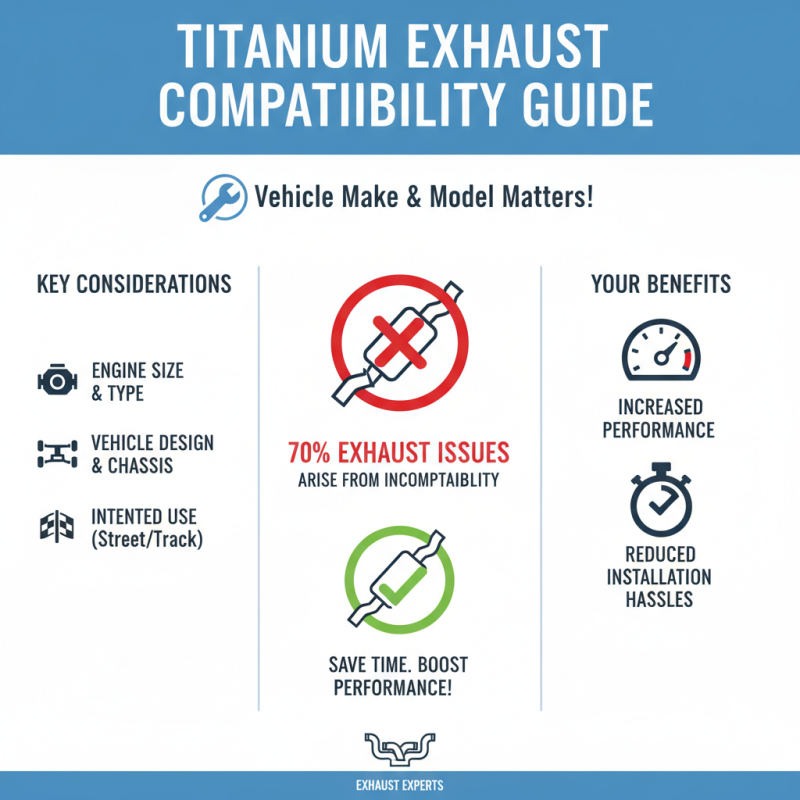
When selecting a titanium exhaust for your vehicle, it's essential to consider compatibility with your specific make and model. Each vehicle has unique requirements based on engine size, design, and intended use. According to industry reports, around 70% of exhaust issues arise from incompatibility. Knowing your vehicle's specifications can save time and increase performance.
Research indicates that some titanium exhaust systems enhance weight reduction. Vehicles like sports cars benefit significantly, shedding an average of 30-50 pounds. However, a mismatch in design can lead to installation issues or performance drops. For example, enthusiasts often encounter problems when retrofitting parts designed for one model onto another.
Moreover, regulatory factors may also play a role. Different regions enforce varying emissions standards. A fitting that elevates performance might inadvertently breach local regulations. This mismatch can result in hefty fines or even vehicle impoundment. Understanding local laws ensures a balance between enhancement and compliance.
Cost Analysis: Investment vs. Long-Term Benefits of Titanium Exhausts
When considering a titanium exhaust, cost analysis becomes critical. Initial investment can be significant, often ranging from $800 to $2,500. However, this is just the beginning. The benefits of titanium, such as weight reduction, are substantial. On average, titanium exhaust systems weigh 40% less than their stainless steel counterparts. This weight savings can improve vehicle performance and fuel efficiency.
Long-term benefits are noteworthy. Titanium is corrosion-resistant, leading to a lifespan five to ten times longer than traditional materials. A study by the Automotive Engineering Institute highlighted that titanium exhausts could save owners an average of $400 in maintenance over a decade. Additionally, titanium’s enhanced performance can raise vehicle resale value by up to 15%. This data points to a compelling argument for investing in titanium exhausts.
Despite the high upfront costs, the long-term savings and performance improvements warrant consideration. However, not all vehicles benefit equally. Some drivers may find performance gains negligible for daily use. Understanding your specific needs is essential before making this investment. Balancing costs with potential gains can lead to a more informed decision.
Cost Analysis of Titanium Exhausts vs. Traditional Exhausts
 +86 17870576410