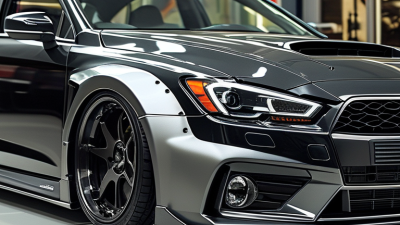
Top 10 Downpipe Exhaust Types for Global Buyers
Choosing a Downpipe Exhaust is not simply a horsepower decision. It affects emissions, heat management, sound, durability, and vehicle compatibility.
Global buyers face a complicated market. Vehicles differ by engine family, turbocharger layout, transmission, fuel type, and regional emissions rules. A downpipe that fits a European diesel may not suit a North American gasoline model. Small details matter. Flange angles, oxygen-sensor ports, catalyst positions, and pipe diameter can change installation results.
Industry reports show why careful selection matters. Grand View Research’s automotive exhaust system analysis identifies rising demand for performance upgrades, lightweight components, and efficient emissions control. S&P Global Mobility has also reported an aging global vehicle fleet, increasing interest in repair and replacement components. These trends support broader aftermarket demand, but they do not prove that every performance product is road legal.
Regulatory scrutiny is increasing. The European Union’s Euro 7 framework strengthens attention to real-world emissions and component durability. In the United States, the Environmental Protection Agency prohibits emissions-control tampering on regulated road vehicles. Requirements also vary across Australia, Japan, Canada, and emerging markets. Buyers should verify certification, catalyst specifications, noise limits, and inspection requirements before ordering.
This guide compares ten Downpipe Exhaust types for international buyers. It considers material, construction, catalyst design, fitment, thermal behavior, and intended use. Stainless steel remains practical. Titanium is lighter, but costly. Catted systems may offer better compliance potential. Catless designs can create serious legal and environmental concerns.
Some categories overlap. That is worth admitting. Product names are not always standardized, and manufacturer claims require independent verification. A reliable decision combines technical data, installer experience, and local regulatory advice—not marketing language alone.
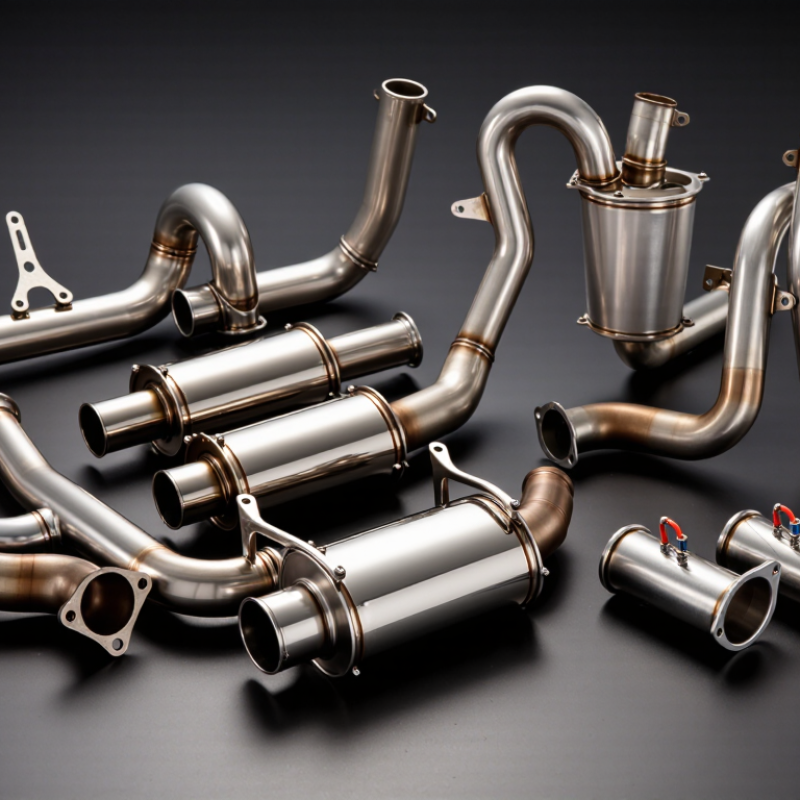
Downpipe Exhaust Basics and Its Role in Turbocharged Systems
A downpipe is the exhaust section leaving a turbocharger’s turbine housing. It carries hot, pressurized gas toward the catalytic converter and the remaining exhaust system. In a turbocharged engine, this pipe affects how easily the turbine releases exhaust energy. A restrictive design can increase backpressure and exhaust temperature. A well-matched pipe may improve turbine response and reduce pumping losses. Small details matter. Diameter, bend radius, wall thickness, and heat shielding all influence performance.
Global buyers commonly compare cast, mandrel-bent, single-scroll, twin-scroll, and catalyzed configurations. However, a type name does not guarantee better results. A larger pipe may support high-rpm flow, yet reduce gas velocity on a smaller engine. A high-flow catalyst can support emissions control, but certification depends on the region. Sensor ports must have correct positions and safe heat clearance. Fitment also depends on flange shape, turbo location, chassis space, and downstream connections. Measure twice. Mistakes are expensive.
Installation should include leak checks, fastener inspection, and careful sensor wiring. After fitting, monitor boost, air-fuel data, exhaust temperature, and unusual rattles. Software calibration may be necessary when flow changes significantly. Do not assume a louder exhaust is healthier. Noise and emissions rules differ by country. Check local requirements before purchase or modification. In workshops, heat cycles often reveal problems missed during inspection. I would question performance claims without test data, dyno conditions, and material specifications. That caution protects both the engine and the buyer.
Ten Major Downpipe Types by Design, Material, and Vehicle Use
Top 10 Downpipe Exhaust Types for Global Buyers
Ten Major Downpipe Types by Design, Material, and Vehicle Use
Downpipes vary by shape, construction, and intended vehicle application. Cast downpipes offer thick walls and stable fitment near crowded engine bays. Fabricated stainless-steel versions allow smoother bends and easier customization. Titanium designs reduce weight but require careful welding and heat control. Thermal-coated downpipes help protect nearby wiring, hoses, and intake components. Flex-section types reduce vibration between the engine and exhaust system. They are useful on vehicles with noticeable engine movement.
Bellmouth designs provide a broad transition from the turbine outlet. Merge-collector designs guide separate exhaust streams into one passage. Stepped designs change diameter gradually, supporting controlled gas flow. Single-turbo downpipes suit simpler layouts, while twin-turbo versions require precise collector alignment. The best choice depends on turbine position, pipe clearance, engine output, and vehicle use. A daily commuter may need quieter operation and stronger heat shielding. A track-focused vehicle may prioritize lower weight and faster service access.
I have seen attractive pipes fail because their flange angle was slightly wrong. Small errors can create leaks, rattles, or difficult installation. Buyers should check outlet diameter, sensor ports, gasket surfaces, and available clearance. Stainless steel remains a practical choice for many climates. Titanium is lighter, but its cost and installation demands are higher. Material labels alone do not prove quality. Wall thickness, weld penetration, bracket support, and surface finishing deserve inspection. Emissions equipment and noise limits also differ by country. Confirm local requirements before purchasing or installing any replacement downpipe.
Top 10 Downpipe Exhaust Types for Global Buyers
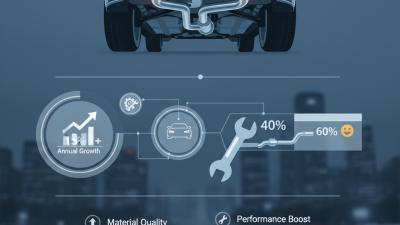
Ten major downpipe types classified by design, material, and vehicle use
The chart compares typical nominal outlet diameters used in common downpipe configurations.
The most frequently encountered sizes are 63.5 mm (2.5 in), 76.2 mm (3 in), and 88.9 mm (3.5 in).
Actual specifications vary by engine output, turbocharger design, emissions equipment, material, and vehicle packaging.
Performance, Emissions, Noise, and Heat Management Differences
Downpipe selection affects turbo response, emissions control, cabin noise, and under-hood temperature. Global buyers should compare more than pipe diameter. A high-flow catted downpipe can improve exhaust flow while retaining emissions control hardware. A factory-replacement design usually offers predictable fitment and quieter operation. Tubular and cast designs differ in weight, weld stress, and heat retention. Stepped pipes may support changing gas velocity, but their gains depend on the complete engine system. Results vary.
Thermal-coated, double-wall, and insulated downpipes help reduce radiant heat near wiring, hoses, and intake components. This matters in slow traffic and hot climates. A flex-joint design can reduce vibration transfer into the exhaust system. Noise travels. Resonated versions often soften harsh frequencies, while open designs can sound noticeably sharper. Buyers should check measured sound levels, not rely on promotional descriptions. Interior comfort is easy to underestimate during a short test drive.
Emissions performance deserves careful attention. High-flow catalytic designs can differ widely in catalyst quality, warm-up speed, and long-term durability. Certification requirements also vary by country and region. Verify local approval before purchase, especially where periodic inspections apply. Professional installation should include leak checks, sensor evaluation, heat shielding, and clearance measurements. Fitment still varies. Even a well-made part may need adjustment after chassis modifications. I would also question advertised power gains without independent dyno data, because temperature, fuel quality, software calibration, and testing methods can change the result.
Global Market Standards, Fitment, and Legal Considerations
Top 10 Downpipe Exhaust Types for Global Buyers
Global buyers commonly compare ten downpipe categories: cast-steel, stainless-steel, ceramic-coated, high-flow catalytic, catted, catless, single-turbo, twin-turbo, flex-section, and motorsport-use designs. Each type serves a different vehicle layout, heat range, and driving purpose. However, these categories can overlap. A coated stainless-steel downpipe may also include a high-flow catalytic converter.
Global market standards should guide every purchase. Check tube diameter, flange position, oxygen-sensor ports, turbo outlet shape, and hanger locations. A small mismatch can cause leaks, vibration, or difficult installation.
Materials also matter. Stainless steel usually resists corrosion, while ceramic coating can reduce radiant heat near wiring and plastic parts. Fitment comes first.
I have seen buyers trust engine codes alone, then discover different chassis dimensions across markets. Confirm the model year, drivetrain, transmission, and local specification before ordering.
Tips:
Request a dimension drawing, material grade, emissions documentation, and noise test information. Confirm whether the product retains legally required emission-control equipment. Rules differ. Some regions require catalytic converters, approved noise levels, or professional inspection. Others restrict modifications for road use. Never assume an imported part is automatically compliant. Ask a qualified local technician or certification authority to review it. Measure twice. Even official-looking data can contain errors, so compare the drawing with the vehicle before payment.
How Buyers Can Compare and Select the Right Downpipe Type
Choosing among downpipe exhaust types requires more than comparing advertised horsepower. Fitment comes first. Check the turbo outlet, flange shape, pipe diameter, sensor ports, and available clearance. A cast downpipe usually offers consistent dimensions and strong heat resistance. A fabricated pipe may reduce weight and improve routing flexibility. However, weld quality can vary, so inspect every joint for smooth penetration and distortion.
Buyers should also compare catalyst configuration, material, wall thickness, and flex-section placement. A road-legal catalytic downpipe can support improved flow while retaining emissions control. A non-compliant configuration may create inspection problems and should not be selected for public-road use. Stainless steel resists corrosion, but its grade and thickness still matter in wet or salty climates. Larger diameter does not automatically produce better results. Excessive size may reduce response or create difficult underbody clearance.
Ask for dimensional drawings, test data, installation instructions, and documented material specifications. Confirm that the oxygen-sensor positions match the vehicle’s control system. A qualified installer should check heat shielding near wiring, brake lines, and the engine bay. Peak power alone misleads. Real driving also depends on spool response, noise, vibration, and thermal management. I have seen buyers focus on polished welds, then discover poor flange alignment. That mistake is expensive. Measure twice. Also consider replacement access, local emissions rules, warranty conditions, and whether the pipe suits a standard or modified turbocharger.
 +86 17870576410