What is Valvetronic Exhaust and How Does it Work?
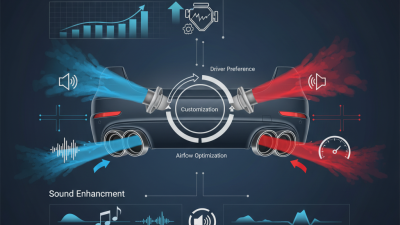
Valvetronic Exhaust is an innovative technology that enhances vehicle performance. This system optimizes exhaust flow by using adjustable valves. It allows for precise control of the exhaust gases, adapting to different driving conditions. Harnessing this technology can lead to improved efficiency and a more engaging driving experience.
Designed with precision, Valvetronic Exhaust operates through a series of sensors and actuators. These components work together to analyze real-time engine demands. This constant adjustment can significantly impact horsepower and torque. However, it may also require meticulous tuning to achieve optimal results.
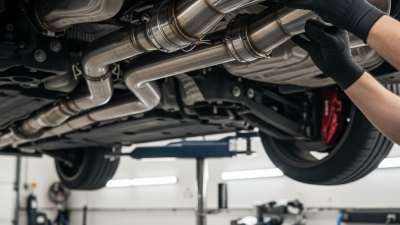
While the benefits are clear, there are complexities involved. Not every vehicle can easily integrate this system. Installation challenges can arise, leading to potential inconsistencies in performance. The learning curve for understanding this technology is steep. But for enthusiasts, mastering Valvetronic Exhaust can offer a rewarding experience.
What is Valvetronic Exhaust?
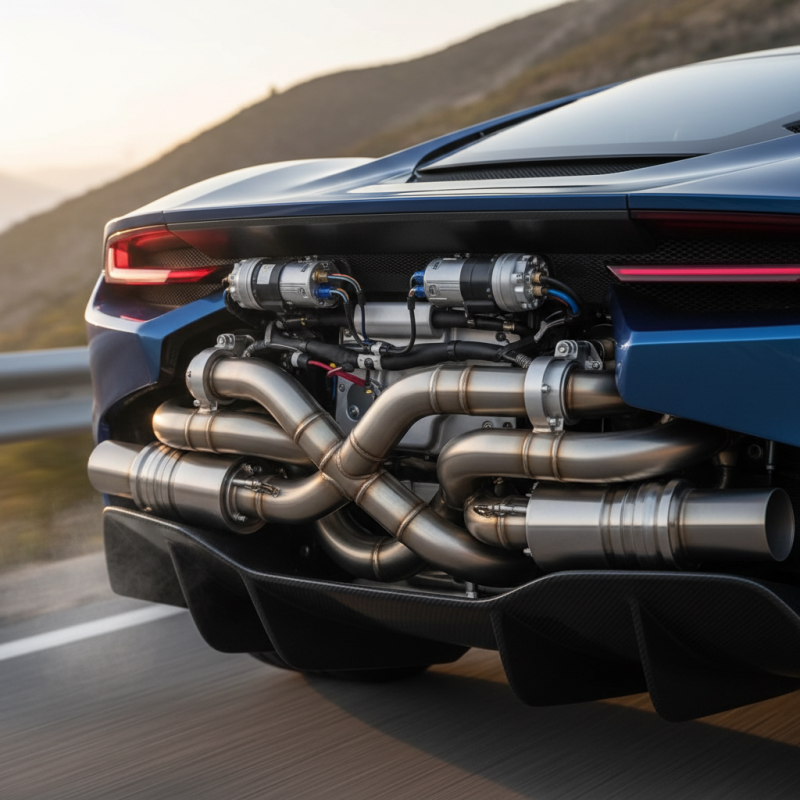
Valvetronic Exhaust is a revolutionary technology in the automotive world, enhancing performance and efficiency. It focuses on controlling exhaust gas flow. This is achieved through adjustable valves that open or close based on engine needs. The design allows for optimized exhaust flow, offering better fuel economy and reducing harmful emissions. As a result, vehicles equipped with this technology can perform better under various driving conditions.
One important tip for drivers is to pay attention to maintenance. The Valvetronic system relies on precise engineering. Any wear or malfunction can lead to decreased performance. Regular inspections can ensure everything is functioning smoothly. Keeping an eye on engine responsiveness is key to enjoying the full benefits.
Another tip is to understand the system's behavior. Valvetronic adjusts exhaust flow dynamically. This can sometimes result in a noticeable change in noise and power delivery. Learning how your vehicle responds can help you appreciate these shifts. When using Valvetronic Exhaust, you might find it beneficial to adapt your driving style to fully utilize its capabilities, especially during acceleration.
Valvetronic Exhaust Data Analysis
This chart illustrates the exhaust flow in cubic feet per minute (CFM) across different RPM ranges for a Valvetronic exhaust system. The data indicates that as RPM increases, exhaust flow also increases, showcasing the performance benefits of the Valvetronic technology.
History and Development of Valvetronic Technology
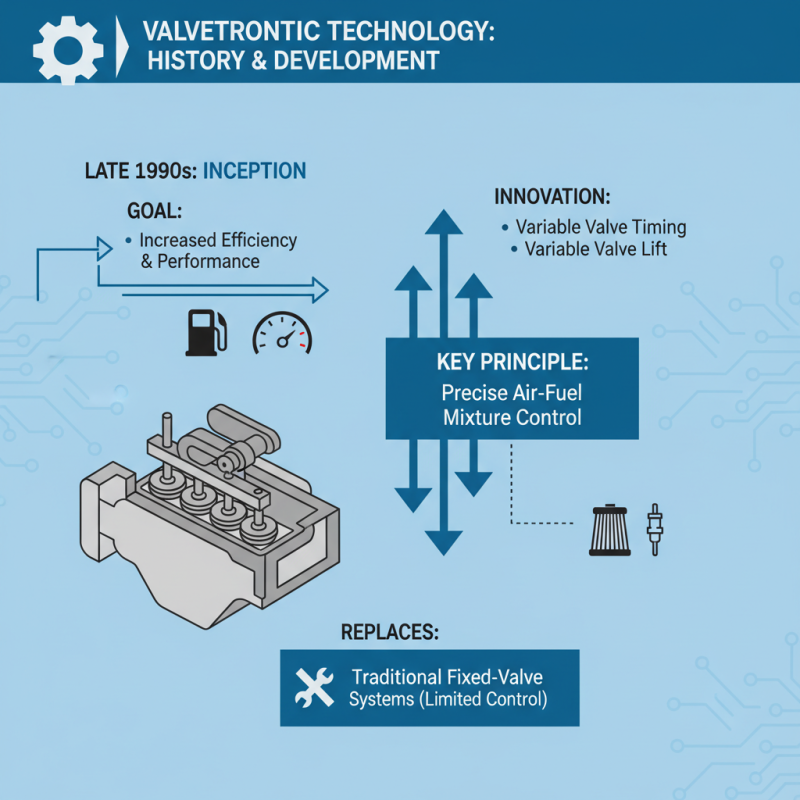
Valvetronic technology has evolved significantly since its inception. Initially developed in the late 1990s, this technology aimed to enhance engine efficiency and performance. It introduced variable valve timing and lift, allowing for precise control over the air-fuel mixture entering the engine. This innovation addressed the limitations of traditional fixed-valve systems.
Over the years, engineers have refined Valvetronic systems for better responsiveness. The technology reduces emissions while maintaining power output. This grew out of a desire for greener vehicles, making the advancements all the more critical. Enthusiasts often praise Valvetronic for its ability to optimize performance across various driving conditions.
However, challenges remain. Some engines struggled with reliability as Valvetronic systems aged. Complexities in design could lead to maintenance issues. Learning from these experiences is vital for future iterations of the technology. Continued research and development aim to resolve these hurdles, ensuring that Valvetronic can reach its full potential.
How Valvetronic Exhaust System Operates
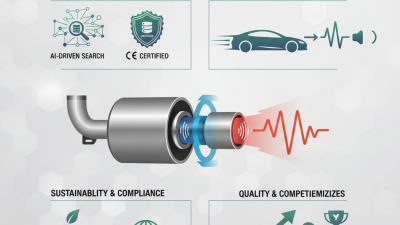
The Valvetronic Exhaust System enhances engine performance by controlling exhaust flow. This technology uses adjustable valves to modify exhaust gas paths based on engine speed and load. The system operates silently, adjusting in real time to optimize efficiency and reduce emissions.
During low-speed driving, the valves restrict exhaust flow. This increases back pressure, leading to improved torque and efficiency. At higher speeds, the valves open wider, allowing for greater exhaust flow. This setup minimizes turbo lag and enhances engine responsiveness.
Tips: Regular maintenance is essential for good performance. Check for any leaks or blockages in the exhaust system. Keeping the system clean can improve efficiency. Additionally, listening for unusual sounds can alert you to issues that may need attention.
Balancing performance and sustainability can be challenging. Sometimes, the focus on power may lead to inefficiencies. It's crucial to monitor engine performance regularly. Considerations like fuel quality and engine tuning can significantly impact how the Valvetronic system operates. Small tweaks can sometimes lead to big improvements, but not every adjustment is guaranteed to yield the desired effect.
What is Valvetronic Exhaust and How Does it Work? - How Valvetronic Exhaust System Operates
| Feature |
Description |
Benefits |
| Variable Valve Timing |
Adjusts exhaust valve openings for better performance. |
Improved efficiency and power output across various RPM. |
| Electronic Control |
Uses electronic signals for precise operation of the system. |
Enhanced response time and adaptability to driving conditions. |
| Sound Management |
Modulates exhaust sound for sportier or quieter experiences. |
Personalized driving experience based on driver preference. |
| Reduced Emissions |
Optimizes combustion for lower harmful emissions. |
Meets environmental regulations and standards. |
| Engine Performance |
Enhances power delivery and fuel efficiency. |
Smoother acceleration and overall better driving dynamics. |
Benefits of Using Valvetronic Exhaust
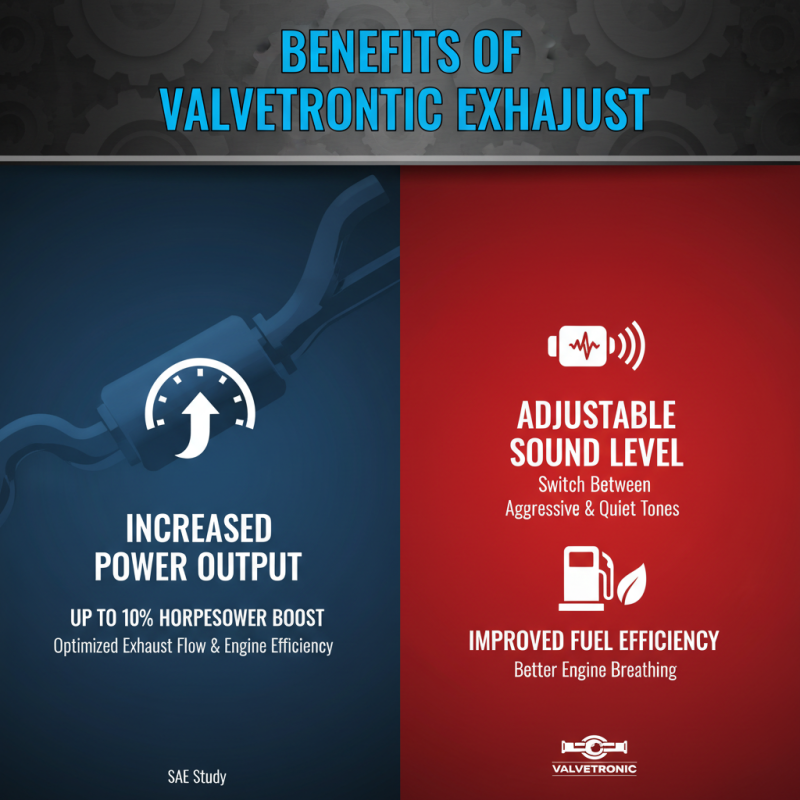
Valvetronic exhaust systems are designed to enhance vehicle performance significantly. One major benefit is increased power output. According to a study by the Society of Automotive Engineers, systems like Valvetronic can boost horsepower by up to 10%. This increase comes from optimizing exhaust flow, allowing engines to breathe more freely and efficiently.
Another important advantage is improved fuel efficiency. Data from the International Council on Clean Transportation indicates that vehicles with advanced exhaust technologies can achieve up to 15% better fuel economy. This efficiency helps reduce carbon emissions, which are vital for meeting global environmental standards. While these benefits are compelling, not every vehicle type may fully leverage these systems.
Maintenance complexity is a consideration. While Valvetronic systems can provide exceptional efficiency, they also require precise calibration. This may lead to higher service costs and potential downtime. Moreover, the technology may not be suitable for all driving styles, particularly for those who prioritize raw power over efficiency. Understanding these nuances is important for consumers considering upgrades to their exhaust systems.
Applications and Impact on Vehicle Performance
Valvetronic exhaust systems have gained attention for their role in enhancing vehicle performance. These systems optimize exhaust flow, adjusting the opening size based on driving conditions. Research shows that utilizing Valvetronic technology can improve fuel efficiency by up to 15%. This efficiency is crucial as the automotive industry aims to reduce carbon emissions and meet stricter environmental regulations.
One significant application of Valvetronic exhaust is in performance-oriented vehicles. By allowing engine management to optimize exhaust gases, it contributes to enhanced throttle response. A study by automotive experts revealed that vehicles equipped with Valvetronic systems experienced up to a 20% increase in acceleration response. This responsiveness translates to a more engaging driving experience, appealing to enthusiasts and everyday drivers alike.
However, integrating Valvetronic technology comes with challenges. Maintaining the precise mechanism requires high-quality materials and engineering. Moreover, installation and repair can be complex. While the benefits are clear, the investment in these systems may deter some manufacturers. Finding a balance between performance enhancements and cost-effectiveness remains a key consideration in the industry's evolution.
 +86 17870576410