+86 17870576410

An Exhuast System is the vehicle’s controlled pathway for moving combustion gases away from the engine. It includes the exhaust manifold, oxygen sensors, catalytic converter, resonator, muffler, and tailpipe. Together, these parts manage pressure, reduce noise, and limit harmful pollutants before gases leave the vehicle.
The process begins near the engine block. Hot gases enter the manifold, where heat can exceed 900°C during heavy operation. Oxygen sensors then measure the mixture and help the engine control unit adjust fuel delivery. The catalytic converter changes carbon monoxide, hydrocarbons, and nitrogen oxides into less harmful compounds. A diesel particulate filter performs a different task by trapping soot. Not every vehicle uses identical hardware.
The numbers show why this system matters. The U.S. Environmental Protection Agency’s Inventory of U.S. Greenhouse Gas Emissions and Sinks: 1990–2022 reports that transportation produced about 28% of American greenhouse gas emissions in 2022. EPA’s Automotive Trends Report also tracks continuing improvements in vehicle efficiency and emissions performance. These reports do not make the exhaust system a complete climate solution. That would be an oversimplification. It mainly controls tailpipe pollutants, while fuel production, traffic conditions, maintenance, and driving behavior also influence total impact.
A healthy system is easy to notice. The engine sounds steady. The tailpipe emits no thick smoke. There is no sharp sulfur smell inside the cabin. Yet diagnosis should not rely on sound alone. A scan tool, visual inspection, and emissions testing can reveal hidden converter damage or sensor faults. The following guide explains how each component works, where failures begin, and why timely inspection protects performance, air quality, and occupants.
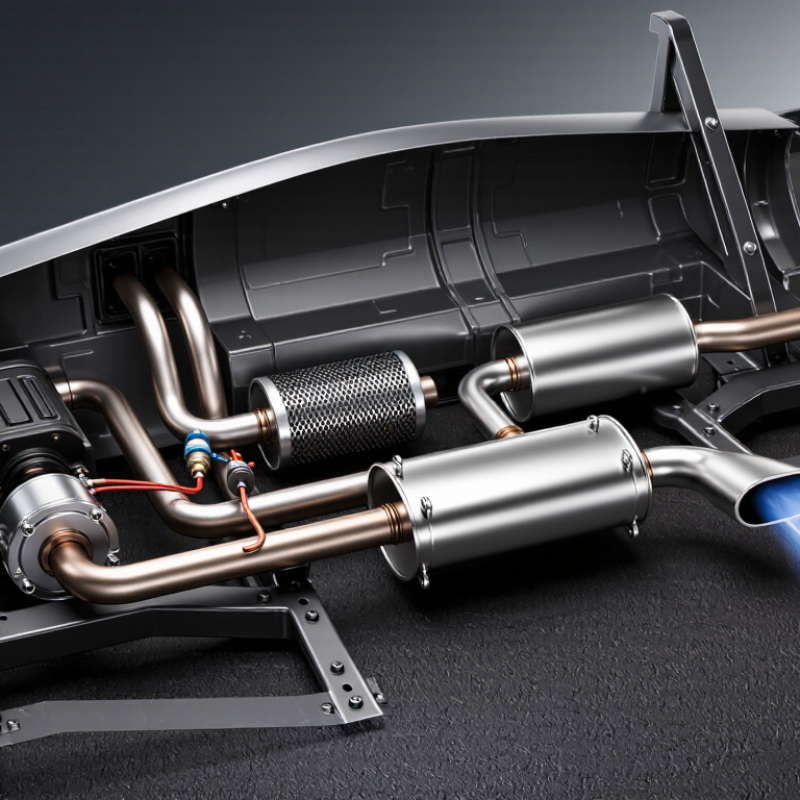
An exhaust system is the vehicle’s controlled route for gases produced during combustion. It begins at the engine and continues through pipes, a catalytic converter, mufflers, and a tailpipe. Each part has a specific job. The system moves gases away from the passenger area, reduces harmful pollutants, and controls noise. It also influences engine breathing. That detail is often overlooked.
A catalytic converter changes several harmful gases into less harmful compounds through chemical reactions. Mufflers use chambers and sound-absorbing materials to reduce sharp engine pulses. Flexible joints allow movement between the engine and the exhaust pipe. Heat shields protect nearby floors, wiring, and plastic components from extreme temperatures. Under the vehicle, these parts face water, road salt, vibration, and repeated heating. Small damage can become expensive if ignored.
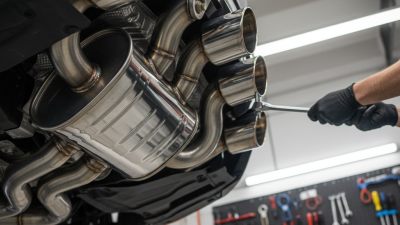
During a practical inspection, a cold start may reveal leaks through ticking sounds or visible vapor. A loose heat shield can create a metallic rattle. Dark soot around a joint suggests escaping exhaust gases. However, diagnosis is not always obvious. A louder sound does not prove the muffler is the only problem. I would check the pipe connections, mounting points, and warning indicators together. My first impression might be wrong. Safety matters more than a quick guess.
The Main Components of an Exhaust System
An exhaust system carries burnt gases away from the engine. It also reduces noise, heat, and harmful emissions. The exhaust manifold collects gases from each cylinder. It directs them into the exhaust pipe. On many vehicles, a flexible section absorbs engine movement and vibration. This small part often develops cracks near its joints.
The catalytic converter changes several harmful gases into less harmful compounds through chemical reactions. Oxygen sensors measure the oxygen level in the exhaust stream. Their readings help the engine control system adjust fuel delivery. A resonator smooths harsh sound frequencies before the gases reach the muffler. The muffler uses internal chambers and passages to lower exhaust noise without blocking normal gas flow.
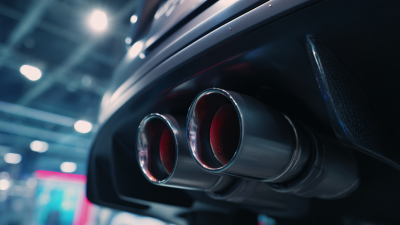
The tailpipe releases the treated gases behind the vehicle. Rubber hangers support the system and prevent metal parts from striking the body. I have found that a loose hanger can create a sharp rattle over a rough road. A visual check should include rust, soot marks, broken mounts, and unusual gaps. However, a quiet exhaust is not always a healthy one. A small internal blockage may hide without obvious noise. I still inspect cold components first, then listen carefully after the engine warms, because hot metal expands and can change the sound.
| Component | Typical Position | Primary Function | How It Works | Common Materials | Typical Signs of a Problem |
|---|---|---|---|---|---|
| Exhaust Manifold | Bolted to the engine cylinder head | Collects exhaust gases from multiple cylinders and directs them into the exhaust system. | Separate exhaust passages merge into one or more outlets while the engine is operating. | Cast iron or heat-resistant stainless steel | Ticking noise, exhaust odor in the engine bay, reduced performance, or visible cracks. |
| Exhaust Manifold Gasket | Between the cylinder head and exhaust manifold | Seals the joint so exhaust gases do not escape before reaching the emission-control components. | A heat-resistant sealing layer compensates for small surface irregularities and thermal expansion. | Multi-layer steel, graphite, or composite materials | Exhaust leaks, ticking during cold starts, soot marks, or incorrect oxygen-sensor readings. |
| Flex Pipe | Usually near the engine outlet or front section of the exhaust pipe | Absorbs engine movement and vibration while maintaining a sealed exhaust path. | A flexible, braided metal section bends slightly as the engine moves on its mounts. | Interwoven stainless steel or other corrosion-resistant steel | Hissing or roaring sounds, exhaust smell, vibration, or visible braided-wire damage. |
| Oxygen Sensors | Installed in the exhaust stream before and, on many vehicles, after the catalytic converter | Measures oxygen content in exhaust gases to support fuel-control and emissions monitoring. | The sensor sends an electrical signal based on the difference in oxygen concentration between the exhaust and reference air. | Ceramic sensing elements, metal housings, and heat-resistant wiring | Warning light, poor fuel economy, rough running, or elevated emissions. |
| Catalytic Converter | Close to the engine in the front or middle section of the exhaust system | Reduces harmful pollutants including carbon monoxide, unburned hydrocarbons, and nitrogen oxides. | A coated honeycomb substrate promotes oxidation and reduction reactions as hot exhaust gases pass through it. | Stainless-steel casing and ceramic or metallic substrate with catalyst coatings | Loss of power, sulfur-like odor, rattling, overheating, or an emissions-related warning light. |
| Resonator | In the middle section of the exhaust system, before or near the muffler | Reduces specific sound frequencies and helps refine exhaust tone. | Internal chambers and tubes create acoustic interference that cancels or weakens selected sound waves. | Aluminized steel or stainless steel | Increased exhaust noise, buzzing, droning, or visible corrosion. |
| Muffler | Usually in the rear or middle-rear section of the exhaust system | Reduces overall exhaust noise without completely blocking gas flow. | Perforated tubes, chambers, and sound-absorbing material redirect and dissipate pressure pulses. | Aluminized steel or stainless steel with fiberglass or mineral-fiber packing | Loud exhaust, rattling, reduced noise control, holes, or water draining from rusted seams. |
| Exhaust Pipes | Connect the manifold, converter, resonator, muffler, and tailpipe | Carry exhaust gases safely from the engine to the vehicle’s outlet. | The pipes provide a continuous passage while their diameter and routing balance flow, clearance, and heat management. | Aluminized steel, stainless steel, or coated steel | Leaks, corrosion, dents, exhaust odor, unusual noise, or reduced ground clearance. |
| Exhaust Hangers and Isolators | Attached between exhaust components and the vehicle body or chassis | Supports the exhaust system while allowing controlled movement and vibration isolation. | Rubber or elastomer mounts suspend the pipes and components while accommodating thermal expansion. | Heat-resistant rubber, elastomer, and steel brackets | Clunking, excessive movement, sagging pipes, or contact with the underbody. |
| Heat Shields | Around hot exhaust components and between the exhaust and nearby parts | Protects the vehicle body, wiring, fluids, and passengers from excessive exhaust heat. | Reflective metal panels create an air gap that limits radiant and conducted heat transfer. | Aluminum-coated steel, stainless steel, or other heat-resistant metal | Metallic rattling, increased cabin heat, burnt odors, or loose panels. |
| Tailpipe | Final outlet at the rear or side of the vehicle | Releases treated exhaust gases away from the vehicle body and passenger compartment. | The outlet directs gases into the surrounding atmosphere after they pass through the system’s treatment and noise-control components. | Aluminized steel, stainless steel, or coated steel | Visible rust, loose joints, exhaust odor near the vehicle, or abnormal outlet noise. |
An exhaust system carries combustion gases away from the engine and manages their heat, noise, and pollutants. Exhaust gases leave each cylinder during the exhaust stroke, often above 800°C near the exhaust valve. They enter the exhaust manifold, where separate pulses combine and create pressure waves. The gas then moves through a turbocharger when fitted, transferring energy to a turbine before continuing downstream.
After that, gases pass through oxygen sensors and emission-control units. A catalytic converter changes carbon monoxide, hydrocarbons, and nitrogen oxides into less harmful compounds. Diesel systems may also include a particulate filter, which traps soot and periodically burns it during regeneration. The muffler uses chambers and perforated tubes to reduce pressure-wave energy. Finally, gases exit through the tailpipe, usually cooler and quieter.
Flow depends on pressure differences, gas temperature, pipe diameter, and engine speed. Excessive restriction raises backpressure and can reduce power, while oversized pipes may weaken gas velocity. That trade-off is often simplified. In practice, it changes with load.
The U.S. Environmental Protection Agency reported that transportation produced 28% of national greenhouse-gas emissions in 2022, showing why exhaust control matters beyond engine performance (EPA, Inventory of U.S. Greenhouse Gas Emissions and Sinks, 2024). However, tailpipe measurements do not capture every real-world condition. Cold starts, short trips, and damaged filters can alter emissions sharply. A system may look normal outside while restricted flow quietly increases exhaust temperature.
As exhaust gases leave the engine, they are hottest near the exhaust manifold. They then cool as they pass through the catalytic converter, muffler, and tailpipe. The values shown represent a warmed-up gasoline engine under moderate operating conditions; actual temperatures vary with engine load, speed, and air-fuel mixture.
An exhaust system moves burned gases away from the engine. It also manages noise and harmful pollutants. Exhaust pipes carry gases through a catalytic converter, muffler, resonator, and sometimes a particulate filter. The converter changes carbon monoxide, hydrocarbons, and nitrogen oxides into less harmful compounds. The muffler uses chambers and sound-absorbing materials to reduce sharp pressure pulses.
This work matters beyond the tailpipe. The U.S. Environmental Protection Agency’s Inventory of U.S. Greenhouse Gas Emissions and Sinks reports that transportation produced 28% of national greenhouse gas emissions in 2022. The European Environment Agency’s Air Quality in Europe 2024 report also identifies road transport as a major nitrogen oxide source. A damaged gasket can release hot, noisy gases underneath the vehicle. A blocked filter can increase back pressure and reduce engine performance. The system is effective, but not perfect. Cold starts still create higher emissions before components reach operating temperature.
Tips: Check for rattling, sulfur smells, or black soot near joints. These signs need inspection. Do not rely only on sound. A quiet exhaust can still leak carbon monoxide. During servicing, technicians should inspect hangers, oxygen-sensor readings, converter temperature, and corrosion. EPA testing procedures show why measurement matters: emissions can vary sharply with temperature, speed, load, and maintenance. My practical concern is simple. Replacing one failed part may not fix the cause. A rich fuel mixture, misfire, or damaged sensor can quickly harm new components.
An exhaust system carries combustion gases away from the engine. It also reduces noise and helps control harmful emissions. Common parts include pipes, a catalytic converter, a muffler, and sensors. When the system works properly, gases leave smoothly through the tailpipe.
Listen closely. A sudden roar often indicates a cracked pipe, loose joint, or damaged muffler.
Exhaust problems can appear as warning signs before serious damage occurs. A strong exhaust smell inside the cabin needs immediate attention. It may indicate a leak near the engine or beneath the vehicle. Headaches, dizziness, or unusual tiredness can signal carbon monoxide exposure.
Do not wait. Park outdoors and arrange a qualified inspection.
Black smoke may suggest excessive fuel, while blue smoke often points to burning oil. White smoke can be harmless condensation, but thick smoke needs checking.
Rust, hanging parts, and rattling sounds also deserve attention. A vibration under the floor may come from a broken mount or misaligned pipe. Reduced acceleration and poor fuel economy sometimes involve exhaust restrictions, though other engine faults can create similar symptoms.
That distinction matters. Replacing parts without testing can waste money.
A technician should inspect the system when it is cool, check for leaks, and use diagnostic readings when warning lights appear. Even a small crack can grow quickly after repeated heat cycles. An overlooked detail can change the diagnosis.