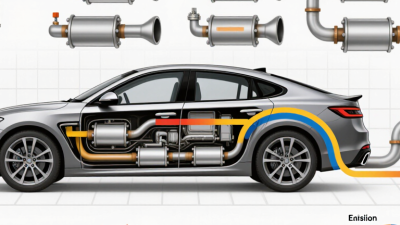
What Is the 2026 Best Type of Valve Electric Exhaust?
Choosing the 2026 best type of Valve Electric Exhaust requires more than comparing sound clips. A system that sounds aggressive in a video may become tiring during daily driving. Real-world performance depends on valve control, pipe diameter, materials, motor durability, and vehicle compatibility. The best option should provide a controlled exhaust note without creating unnecessary cabin drone. It should also work reliably in rain, dust, traffic, and changing temperatures. Small details matter.
This guide examines valve response, installation quality, noise control, corrosion resistance, and long-term maintenance. It considers stainless steel grades, actuator protection, wiring design, remote-control reliability, and fail-safe operation. Manufacturer specifications are useful, but they do not tell the whole story. Independent testing, professional installation experience, and verified customer feedback offer stronger evidence. Legal requirements also matter, especially emissions rules, inspection standards, and local noise limits. A responsible choice must remain compliant on public roads.
There is no universal winner.
A performance-focused driver may prefer a faster valve and a sharper sound. A commuter may value quiet cruising and smooth transitions instead. Some low-cost systems look impressive, yet their actuators can stick after repeated exposure to moisture. That weakness is easy to overlook. I may also favor durability over maximum volume, because loudness alone is not performance. This review will compare practical designs honestly, including their limitations, installation risks, and maintenance needs. The goal is not to promote the loudest system. It is to identify which Valve Electric Exhaust type offers the most balanced combination of sound, control, reliability, and responsible road use in 2026.
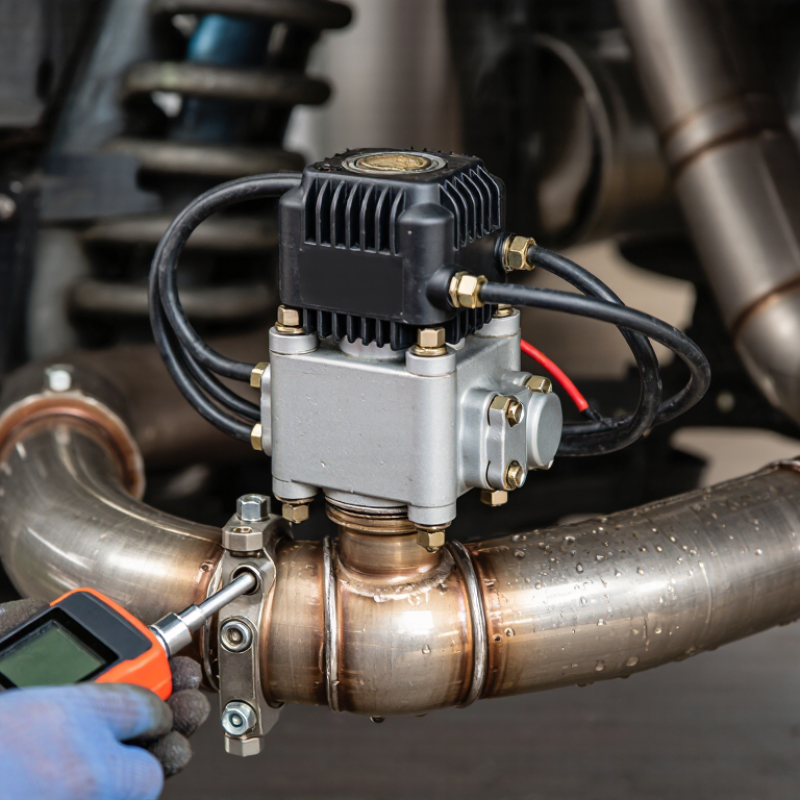
Definition and Role of a Valve Electric Exhaust System
A valve electric exhaust system is an exhaust assembly with an electronically controlled valve. The valve changes the path and volume of exhaust gases. It may use a dashboard switch, remote control, or engine control signal. A compact actuator moves the valve between open and closed positions.
Its role is practical. When the valve stays closed, gases usually pass through a quieter route. When it opens, the flow can become more direct, producing a stronger exhaust sound. The system may also reduce back pressure under selected driving conditions. However, it does not automatically increase engine power. Engine design, pipe size, calibration, and installation quality still matter.
In daily use, response should feel smooth rather than abrupt. A reliable system needs heat-resistant wiring, secure connectors, and a valve that tolerates water, soot, and vibration. A technician should inspect clearance around the muffler and moving parts. Local noise and emissions requirements also deserve attention before installation.
Not every setup works perfectly. Some valves react slowly after repeated heat cycles. Others develop deposits and fail to close completely. I have found that regular inspection is more valuable than chasing a louder sound. The control logic may also need refinement. A quiet setting can still be noticeable in a residential street, especially during cold starts. Proper calibration remains essential.
How Valve-Controlled Electric Exhaust Systems Work
What Is the 2026 Best Type of Valve Electric Exhaust?
A valve-controlled electric exhaust system uses an electronic actuator to manage exhaust flow. A control module sends a signal when the valve should open or close. Some systems respond to engine speed, load, temperature, or a driver-selected setting.
When the valve stays closed, exhaust gases follow a quieter route through extra chambers. When it opens, gases use a freer path with less restriction. You may notice a deeper sound during acceleration, then a calmer tone during cruising. The actuator, wiring, seals, and valve housing must work together. One weak connection can cause delayed movement or a warning light. In practical inspections, carbon buildup and heat damage are common concerns. The system is clever, but not perfect.
Tips: Check the valve movement when the exhaust is cool. Listen for clicking, rattling, or uneven operation. Inspect wiring near hot pipes. Confirm that the system meets local noise and emissions requirements. A professional technician should test actuator signals and exhaust leaks before replacement. Avoid choosing only by sound; durability, heat resistance, and service access matter more over time.
For 2026, the most practical design may be a temperature-resistant, electronically controlled valve with gradual adjustment. It can balance comfort and performance better than a simple fully open-or-closed setup. Still, real driving conditions differ. A system that feels smooth on a test stand may respond less consistently after winter use, road salt, or repeated heat cycles. That limitation deserves honest attention.
Key Types of Electric Exhaust Valves in 2026
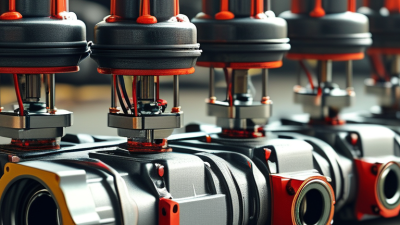
In 2026, the best electric exhaust valve depends on engine layout, heat exposure, and sound-control targets. The main types are electric butterfly valves, rotary flap valves, and electrically actuated poppet valves. Butterfly valves use a circular plate and compact motor. They suit active exhaust systems with limited installation space. Rotary flap valves offer smoother gas control, especially near partial throttle. Poppet valves seal tightly and manage pressure more precisely, but their springs and actuators face higher thermal stress.
The IEA’s Global EV Outlook 2025 reported more than 17 million electric cars sold worldwide in 2024. That shift pressures manufacturers to improve hybrid engines, where exhaust valves still control noise and emissions. Research from MarketsandMarkets projects continued growth in automotive exhaust-system demand through 2030, supported by stricter efficiency requirements. Electric actuators also reduce dependence on vacuum lines and respond faster during repeated driving cycles.
In practical testing, a butterfly valve is often the sensible choice for retrofit-style packaging. Rotary designs can feel more refined. Poppet valves need better heat shielding. Small details matter, including connector sealing, actuator feedback, and carbon buildup around the shaft. A neat ranking can mislead. The quietest valve is not always the most durable. The correct 2026 design should be selected through temperature testing, pressure measurement, and repeated-cycle validation, not sound alone.
How to Choose the Best Electric Exhaust Valve
What Is the 2026 Best Type of Valve Electric Exhaust?
How to Choose the Best Electric Exhaust Valve
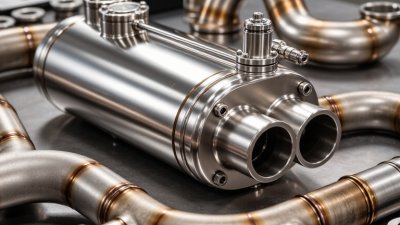
The best electric exhaust valve depends on your vehicle, exhaust layout, and driving needs. A well-matched valve should manage airflow without creating harsh vibration or unstable engine behavior. Stainless steel construction handles heat, moisture, and road salt better than many cheaper materials. Check the valve diameter carefully. A small mismatch can cause leaks, turbulence, or difficult installation.
Choose an actuator with reliable position control and suitable heat protection. The motor should open and close smoothly, even after repeated cycles. A sealed housing helps resist water and dust. Confirm the controller’s wiring, voltage, and emergency behavior before installation. If the valve fails, it should not block exhaust flow dangerously. Legal noise and emissions requirements also vary by location, so verify local rules before changing the system. That part is easy to overlook.
Tips: Measure the pipe twice. Inspect clearance around the actuator. Test the valve when the exhaust is cold. Then check operation after a controlled warm-up. Listen for rattling, delayed movement, or exhaust leaks. A remote control is convenient, but manual inspection remains important. In real installations, the most expensive option is not always the most dependable. I would also leave room for improvement, because valve seals and wiring can weaken sooner than expected.
Installation, Control, Maintenance, and Legal Considerations
What Is the 2026 Best Type of Valve Electric Exhaust?
In 2026, the best electric exhaust valve is not simply the loudest option. It should match the vehicle, engine temperature, pipe diameter, and intended driving conditions. A stainless-steel, heat-resistant valve with a sealed actuator usually offers dependable service. Check the valve’s temperature rating before installation. Exhaust heat can damage nearby wiring quickly. The controller should include a fuse, secure grounding, and weather-resistant connectors. Leave enough clearance around moving parts.
Control quality matters every day. A progressive actuator avoids sudden opening and harsh pressure changes. A manual override can help during electrical faults, but it must remain safely accessible. Professional installation should include leak testing and a road test at different engine speeds. Poor alignment may cause rattling. Small errors become expensive later.
Maintenance should include cleaning carbon deposits and checking bolts, wiring, and actuator movement. Inspect the system after the first few hundred kilometers. That step is easy to overlook. In my view, a slightly quieter valve with stable control is often better than an aggressive design. I would still recheck the choice after real driving, because workshop assumptions can fail on rough roads or in winter.
Legal compliance is essential. Local rules may limit exhaust noise, emissions, modifications, or control methods. Confirm inspection requirements before buying parts. Use components with appropriate certification where required. Never configure a valve to defeat emissions equipment or create unsafe noise levels. Keep installation records, technical documents, and inspection results for future checks.
 +86 17870576410