How to Choose the Right Valve Exhaust System?
Choosing the right Valve Exhaust System requires more than chasing louder sound or sharper styling. The system must manage gas flow, back pressure, temperature, noise, emissions, and actuator reliability. Small mistakes can create drone, heat damage, unstable valve movement, or disappointing engine response. Sometimes, the expensive option is not the best option.
Industry data supports careful selection. The International Energy Agency reported nearly 14 million electric car sales worldwide in 2023. However, OICA recorded more than 93 million motor vehicles produced that year, showing the continuing scale of combustion-engine applications. MarketsandMarkets and Fortune Business Insights also identify steady growth in automotive exhaust-system demand. Their market definitions differ, though. That weakness matters. Forecasts should guide decisions, not replace testing.
Professor John B. Heywood, a leading internal-combustion-engine authority, offers a useful engineering principle: “The engine and its exhaust system must be considered as one complete system.” This statement is especially relevant to valve-controlled exhaust design. A valve that opens too late may restrict high-load flow. One that opens too early may reduce low-speed torque or create harsh sound. Material grade, pipe diameter, valve position, control strategy, and legal certification all deserve review. Real-world testing remains essential. Laboratory figures can look perfect. Road conditions are less polite.
This guide explains how to compare Valve Exhaust System options using measurable performance, vehicle compatibility, durability, sound quality, and compliance requirements. It also examines common selection errors, because even experienced buyers sometimes prioritize appearance over airflow.
Understanding How Valve Exhaust Systems Work
How to Choose the Right Valve Exhaust System?
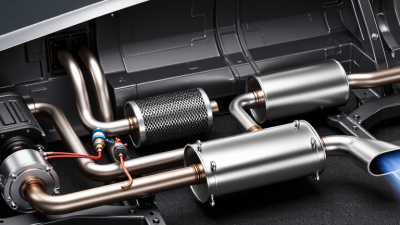
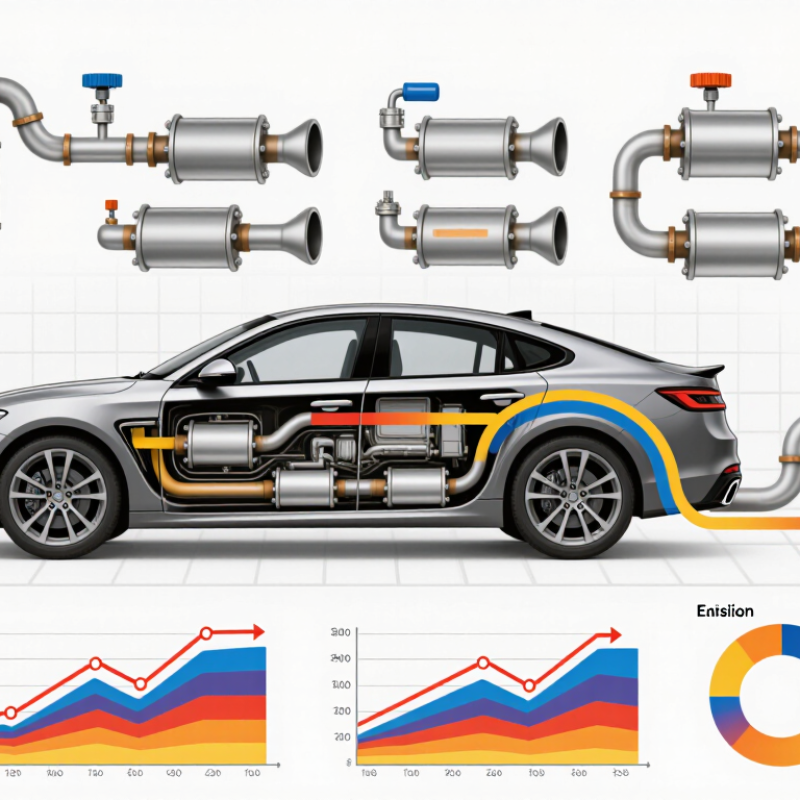
A valve exhaust system changes the path of exhaust gases through controlled flaps. When the valve closes, gases follow a quieter route through the muffler. When it opens, gases use a straighter route with less restriction. An electric actuator or vacuum unit moves the valve. The vehicle’s controller may respond to engine speed, throttle position, temperature, or selected driving mode.
The sound change is easy to notice. At low speed, a closed valve can reduce cabin noise during daily driving. Under heavier acceleration, an open valve may create a deeper tone and improve gas flow. However, louder does not always mean better. Excessive flow can reduce low-speed response on some engines. That result depends on pipe diameter, muffler design, and engine calibration.
Choose a system that matches your engine and driving habits. Check valve temperature ratings, actuator protection, weld quality, and control reliability. A properly fitted valve should move smoothly without rattling. Inspect the wiring or vacuum lines near hot components. I have seen small leaks cause inconsistent valve movement. It is an easy detail to miss. Also consider local noise and emissions requirements before installation. A system that sounds impressive in a workshop may become tiring on a long road. My own judgment is not perfect, so measured sound levels and professional inspection are more useful than appearance alone.
How to Choose the Right Valve Exhaust System?
Understanding how valve exhaust systems work starts with flow capacity. This chart compares the theoretical circular cross-sectional area of common exhaust pipe diameters. A larger area can support greater gas flow potential, while valve control helps balance performance, sound, packaging, and emissions requirements.
The values are calculated from the circular area formula A = π × (d ÷ 2)² using nominal pipe diameters. In practical systems, the valve, bends, mufflers, and internal restrictions also affect pressure loss and actual flow.
Comparing Valve Types, Materials, and Control Methods
Choosing a valve exhaust system starts with the exhaust flow, temperature, pressure, and required response speed. A butterfly valve suits large ducts and moderate pressure. It is compact and usually costs less. A ball valve gives tighter shutoff for smaller lines. Gate valves work well for open-or-closed service, but they are poor choices for frequent throttling. Globe valves provide better flow control, although their heavier body creates more pressure loss.
Material selection matters near hot gases and condensate. Stainless steel resists moisture and acidic deposits better than ordinary carbon steel. Carbon steel may perform well in dry, moderate-temperature exhaust lines. Aluminum reduces weight, but it needs careful temperature review. Seat and seal materials must match the actual heat range. A seal that looks suitable on paper can harden after repeated heat cycles. That detail is easy to miss.
Control methods should match operating frequency and safety needs. Manual handles are simple for occasional adjustment. Pneumatic actuators respond quickly and suit repeated cycling, but they require clean, stable air. Electric actuators offer convenient automation and position feedback. Specify fail-open or fail-closed behavior before installation. Test the valve under realistic airflow, not only on a workbench. Field technicians often find that poor alignment causes more leakage than the valve design itself. I would also recheck noise, access space, and maintenance clearance. Small oversights become expensive later.
Checking Compatibility, Installation, and Legal Requirements
How to Choose the Right Valve Exhaust System?
Checking compatibility begins with the vehicle, not the exhaust sound. Confirm the engine type, pipe diameter, oxygen sensor position, and available clearance. A valve system may fit the outlet but interfere with heat shields, suspension parts, or wiring. Measure twice. A neat fit is not enough.
Installation quality affects safety and reliability. Use heat-resistant seals, secure every clamp, and keep electrical parts away from water and extreme heat. The valve should open and close smoothly without touching nearby components. After installation, check for leaks when the engine is cold and warm. Listen carefully. A small ticking noise may indicate a sealing problem. I would not trust a system that only looks tidy.
Legal requirements need equal attention. Noise limits, emissions rules, inspection standards, and modification permits vary by location. A system designed for closed-course use may not be approved for public roads. Check official transport or inspection guidance before purchasing. Keep certificates and installation records. Some vehicles also require emissions equipment to remain unchanged. If the paperwork is unclear, stop and verify it with a qualified inspector. Personal preference can influence sound, but compliance should decide the final choice.
Evaluating Cost, Maintenance, and Long-Term Performance
How to Choose the Right Valve Exhaust System?
Evaluating Cost, Maintenance, and Long-Term Performance
Purchase price rarely reflects the real cost of a valve exhaust system. A cheaper assembly may use thinner housings, basic seals, or an actuator with limited thermal protection. During inspection, look for weld quality, valve response, corrosion resistance, and access around service points. Small access problems can turn a ten-minute adjustment into several hours of labor. It happens more often than specifications suggest.
Maintenance data supports a lifecycle approach. The U.S. Department of Energy’s Operations & Maintenance Best Practices guide reports that predictive maintenance can reduce maintenance costs by 8–12% compared with preventive maintenance. It also identifies potential downtime reductions of 35–45% over reactive maintenance. For a valve exposed to vibration and repeated heat cycles, position feedback and temperature monitoring can provide useful early warnings. Sensors are not magic, though. Poor calibration can create false alarms and unnecessary repairs.
Long-term performance depends on matching the valve to the exhaust temperature, pressure, flow rate, and duty cycle. The International Organization for Standardization’s ISO 14224 framework emphasizes consistent failure and maintenance data for reliability analysis. Record opening cycles, leakage findings, actuator faults, and repair hours from day one. Compare those records with the supplier’s stated service interval. A cautious buyer should also calculate energy use, replacement parts, labor, and possible production interruptions over five to ten years. The spreadsheet may be imperfect. It is still better than choosing by purchase price alone.
How to Choose the Right Valve Exhaust System? - Evaluating Cost, Maintenance, and Long-Term Performance
Indicative comparison for industrial valve exhaust and actuation arrangements. Costs are typical planning ranges in USD for common process applications and exclude installation, piping modifications, controls integration, and taxes.
| System option |
Typical application |
Initial equipment cost
(USD) |
Installation complexity |
Routine maintenance interval |
Typical service life |
Energy requirement |
Long-term performance considerations |
| Manual valve with mechanical exhaust outlet |
Low-cycle isolation, utility lines, non-critical venting |
$100–$800 |
Low |
Every 12–24 months |
10–20 years |
None |
Lowest ownership cost, but operation depends on personnel. Not suitable where rapid, remote, or automatic exhaust control is required. |
| Pneumatic on/off valve with exhaust muffler |
Frequent isolation, hazardous areas, fast emergency shutdown |
$700–$3,000 |
Medium |
Every 6–12 months |
8–15 years |
Compressed air |
Provides rapid and predictable cycling. Air quality, actuator seals, solenoid valves, exhaust noise, and compressor operating cost require regular attention. |
| Pneumatic modulating valve with controlled exhaust |
Flow, pressure, temperature, and level control |
$1,500–$7,000 |
Medium–High |
Every 6–12 months |
8–15 years |
Compressed air |
Offers good control accuracy when correctly sized. Throttling can accelerate trim wear, and instrument calibration and positioner servicing add lifecycle effort. |
| Electric actuated valve with vented enclosure |
Remote operation where compressed air is unavailable |
$1,200–$6,000 |
Medium |
Every 12–24 months |
10–20 years |
Electricity |
Avoids compressor losses and can support diagnostics. Performance depends on correct wiring, environmental protection, duty-cycle rating, and backup-power design. |
| Hydraulic actuated valve with dedicated exhaust circuit |
Large or high-pressure valves requiring high operating force |
$4,000–$20,000+ |
High |
Every 3–6 months |
10–20 years |
Hydraulic power |
High force and fast response are available, but leaks, fluid cleanliness, accumulator condition, and environmental containment significantly affect lifecycle cost. |
| Spring-return fail-safe pneumatic system |
Critical isolation, fire-risk areas, safety-related shutdown |
$2,000–$9,000 |
Medium–High |
Every 6–12 months |
8–15 years |
Compressed air |
Returns to a defined safe position after loss of power or air. Spring sizing, trip testing, corrosion protection, and safety verification are essential. |
|
Selection guidance: Choose manual systems for low-cycle, non-critical service; pneumatic systems for fast cycling and hazardous locations; electric systems where compressed air is unavailable; hydraulic systems for very large valves or high operating forces; and spring-return arrangements where a defined fail-safe position is required. Final selection should verify pressure, temperature, media compatibility, required response time, hazardous-area classification, noise limits, available utilities, and the consequences of valve failure.
|
 +86 17870576410