How to Choose the Best Titanium Exhaust for Your Vehicle?
When it comes to enhancing vehicle performance, many enthusiasts consider upgrading to a Titanium Exhaust. This material is known for its lightweight properties and superior heat resistance. According to a recent industry report, titanium exhaust systems can reduce overall vehicle weight by up to 40% compared to stainless steel systems. This significant reduction can lead to improved acceleration and fuel efficiency, making it an attractive option for performance-driven car owners.
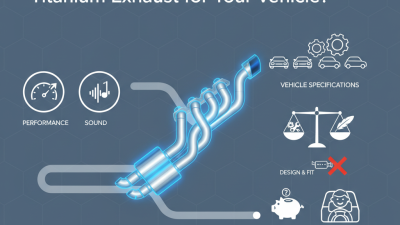
Choosing the right Titanium Exhaust requires careful consideration. Factors such as fit, style, and sound must be evaluated. Some users report that while titanium exhausts provide excellent performance, they can be more challenging to install or fit than expected. Additionally, some may overlook the importance of brand reputation and product warranty. Research indicates that products from reputable manufacturers often have better long-term reliability and customer satisfaction ratings.
Ultimately, a Titanium Exhaust can enhance both performance and vehicle aesthetics. However, potential buyers should weigh their options, considering factors like cost versus benefits. Investing in a quality exhaust system is not just about immediate performance gains; it’s about long-term satisfaction and reliability.
Factors to Consider When Choosing a Titanium Exhaust System
Choosing the right titanium exhaust system is vital for enhancing your vehicle's performance. One key factor to consider is weight.
Titanium is significantly lighter than steel. This reduction in weight can improve handling and acceleration. However, this lightweight benefit can sometimes lead to increased noise levels. Assess how much noise is acceptable for your driving style or local regulations.
Another important aspect is the exhaust design. A well-designed system will optimize airflow. Look for features like mandrel bends and proper sizing. Improperly designed systems may lead to back pressure issues.
It can hinder your engine's performance. Don’t overlook the installation process either. Some titanium systems are more challenging to install than others. If you're not a seasoned mechanic, seeking professional assistance might be necessary.
Lastly, consider the overall finish and durability. Titanium exteriors should resist corrosion and withstand high temperatures. However, they can still develop scratches or dents.
Inspect materials carefully to ensure long-lasting quality. A thorough evaluation of these factors will guide you toward a selection that truly fits your vehicle's needs.
Comparison of Titanium vs. Other Exhaust Materials in Performance
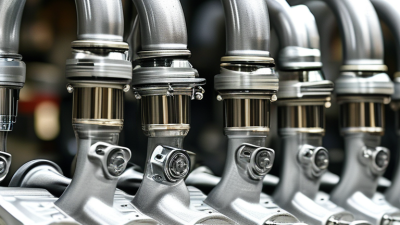
When it comes to exhaust systems, materials play a crucial role in performance. Titanium exhausts are known for their lightweight nature, making vehicles more agile. They also resist corrosion better than many steel alternatives. This leads to longer lifespan and improved sound quality. However, titanium can be more expensive, which is a key consideration for many buyers.
Comparing titanium to other materials like stainless steel reveals a few key differences. Stainless steel offers durability but weighs more. It's a common choice for many due to its cost-effectiveness. Aluminum is another option, known for its lightness but often lacks the robustness found in titanium. Each material has its pros and cons, impacting things like fuel efficiency and engine noise.
Choosing the right material requires reflection on personal needs. A car enthusiast might prioritize performance, opting for titanium. Daily drivers might prefer stainless steel for its balance of performance and price. Considerations like environmental factors and driving habits also influence this decision. Understanding these elements is essential for making an informed choice.
Key Performance Metrics for Titanium Exhausts: Weight, Sound, and Durability
When selecting a titanium exhaust for your vehicle, key performance metrics such as weight, sound, and durability are essential. Lightweight titanium exhaust systems can cut vehicle weight by up to 50% compared to traditional stainless steel options. A lighter exhaust leads to improved acceleration and fuel efficiency. Such reductions can enhance overall vehicle performance.
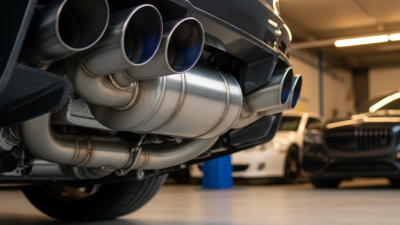
Sound quality is another critical factor in your choice. Titanium exhausts provide a distinct note that many car enthusiasts find appealing. The tonal quality fluctuates with engine RPM, offering a more aggressive sound profile. It's essential to keep in mind, however, that personal preferences vary. What sounds glorious to one driver could be too harsh for another.
Durability is where titanium truly shines. Reports indicate titanium exhaust systems have a lifespan that can exceed 100,000 miles under typical driving conditions. Unlike stainless steel, titanium is resistant to oxidation and corrosion, especially in high-heat environments. Nevertheless, one must consider the initial cost, as titanium exhausts can be significantly more expensive than their counterparts. These factors are worth weighing when considering the investment.
How to Choose the Best Titanium Exhaust for Your Vehicle? - Key Performance Metrics for Titanium Exhausts: Weight, Sound, and Durability
| Model |
Weight (lbs) |
Sound Level (dB) |
Durability (Years) |
| Titanium Performance Exhaust A |
12.5 |
95 |
10 |
| Titanium Racing Exhaust B |
11.8 |
100 |
8 |
| Titanium Street Exhaust C |
13.2 |
92 |
12 |
| Titanium Tour Exhaust D |
10.9 |
88 |
15 |
| Titanium Custom Exhaust E |
11.5 |
97 |
9 |
Budgeting for a Titanium Exhaust: Cost vs. Long-Term Benefits
When considering a titanium exhaust system, budgeting is crucial. These systems can appear expensive at first glance. However, understanding the long-term benefits is vital. A titanium exhaust typically lasts longer than traditional materials. This longevity means fewer replacements over time. Consider how often you’d need to replace steel exhausts. The potential savings from fewer repairs can outweigh the initial costs.
Weight savings with titanium can enhance vehicle performance. Lighter exhaust systems improve speed and handling. This factor is especially important for performance vehicles. Many car enthusiasts often overlook the weight-to-cost ratio. Investing in a lighter system may improve fuel efficiency too. A lighter vehicle puts less strain on the engine, potentially saving on fuel costs.
Despite these advantages, not all titanium exhausts are created equal. It's essential to research before making a purchase. Some variations may not provide the expected benefits. It is wise to check user reviews and seek expert opinions. Understanding the technical specifications will help ensure the right fit for your vehicle. While the cost may be higher, the potential for improved performance and durability makes titanium a worthy consideration.
Installation and Maintenance Tips for Titanium Exhaust Systems
When it comes to installing a titanium exhaust system, precision is key. Measurements should be exact to ensure a proper fit. A poorly fitted exhaust can lead to leaks and negatively impact performance. Notably, research shows that even a small leak can reduce exhaust efficiency by up to 10%. Such inefficiencies can hinder your vehicle’s horsepower and fuel economy.
Maintenance is equally crucial. Regular inspections can extend the lifespan of your titanium exhaust. It's important to check for rust, dents, or cracks, as titanium can still suffer from wear over time. Maintaining proper clamps and hanging systems is vital. Data indicates that improper hanging can lead to vibration issues. These vibrations can cause additional fatigue on the exhaust structure, leading to premature failure.
Lastly, understanding how to clean titanium exhaust components can significantly affect performance. Using the wrong cleaning products can cause surface damage. A mild soap and warm water solution is often recommended. Strive for consistent upkeep to ensure optimal performance, as neglect can lead to costly replacements. Regular care helps maintain the benefits of weight reduction and improved airflow that titanium systems provide.
How to Choose the Best Titanium Exhaust for Your Vehicle?
 +86 17870576410